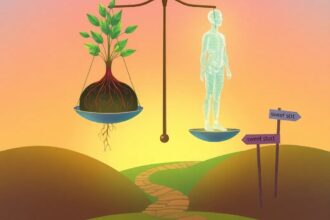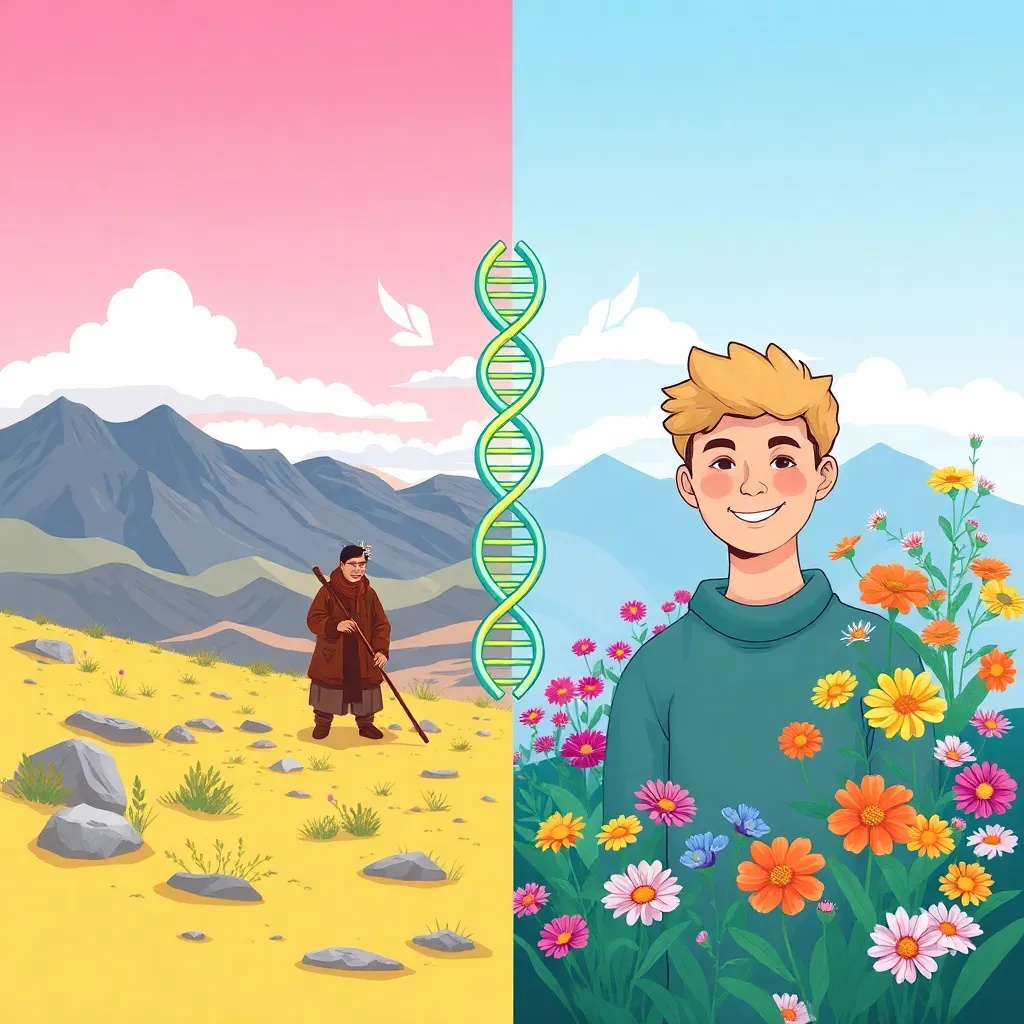
A 2025 study on Tibetan herders shows 30% higher inflammatory markers, contrasting with moderate altitude benefits. Implications for aging research and hypoxia-based therapies.
High altitude may accelerate immune aging, but moderate altitude offers protective effects, new research reveals.
New research published in the Journal of Gerontology has revealed that chronic exposure to mild hypoxia at high altitudes can significantly accelerate immune aging, leading to increased inflammation and higher mortality. The study, conducted on Tibetan herders living above 3,500 meters, provides striking evidence of the trade-offs between altitude and longevity.
The Tibetan Study
Dr. Zhang Wei, lead author from the Institute of High Altitude Medicine in Lhasa, reported that Tibetan herders exhibited 30% higher levels of interleukin-6 (IL-6) and tumor necrosis factor-alpha (TNF-α) compared to lowland control populations. These cytokines are key markers of inflammaging, a chronic low-grade inflammation associated with aging. The study, which followed over 2,000 individuals for five years, also found a 15% increase in mortality risk for every 500 meters above 3,500 meters. “Our findings highlight a significant acceleration of inflammaging in populations living above 3,500 meters,” Dr. Zhang said at the annual meeting of the American Aging Association.
Mechanisms of Immune Aging
The accelerated immune aging is driven by hypoxia-induced activation of hypoxia-inducible factor 1-alpha (HIF-1α), which directly promotes immune cell senescence. Telomere shortening was also observed, with leukocyte telomere length reduced by an average of 12% compared to lowland controls. This molecular pathway explains why high-altitude residents experience earlier onset of age-related diseases. Dr. Emily Carter, a gerontologist at Stanford University, commented, “This study provides a clear mechanistic link between chronic hypoxia and immune dysfunction, offering a new target for interventions.”
Moderate Altitude and Hormesis
Interestingly, the study contrasts sharply with findings from moderate altitudes (2,000–3,000 meters). Research from Colorado shows that residents at around 2,000 meters have 15% lower all-cause mortality and slower epigenetic aging compared to sea-level populations. This hormetic effect suggests that mild hypoxia may be beneficial, while chronic severe hypoxia is detrimental. “It’s a classic dose-response relationship,” explains Dr. Maria Lopez, a physiologist at the University of Colorado. “Moderate altitude seems to trigger adaptive responses that protect against aging, but the threshold is critical.”
The concept of hypoxia hormesis is gaining traction in anti-aging research. Intermittent hypoxic training, where individuals are exposed to short bouts of low oxygen, may replicate the benefits of moderate altitude without the risks. Clinical trials are underway to test whether such protocols can improve immune function and longevity in the general population.
This dual impact of altitude on immune aging highlights the need for personalized health recommendations. For those living at high altitudes, interventions such as antioxidants or intermittent normoxic exposure could mitigate the accelerated aging effects. Conversely, moderate altitude living or controlled hypoxic training might be harnessed as a rejuvenation strategy.
Reflecting on the findings, it is important to note that previous studies have also shown altitude-related health trade-offs. For instance, a 2018 meta-analysis of Himalayan populations found increased susceptibility to respiratory and cardiovascular diseases above 4,000 meters, while Andean populations showed adaptations that reduce some risks. The new study adds a immune-aging dimension, reinforcing the concept that altitude is a double-edged sword.
The interest in hypoxia-based therapies for aging has grown since 2015, when researchers first observed that HIF-1α modulation could extend lifespan in model organisms. However, translating these findings to humans requires careful dosing, as chronic activation may accelerate aging. The Tibetan study serves as a cautionary tale, reminding us that what does not kill us may not always make us stronger—unless the dose is right.