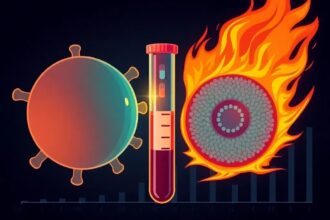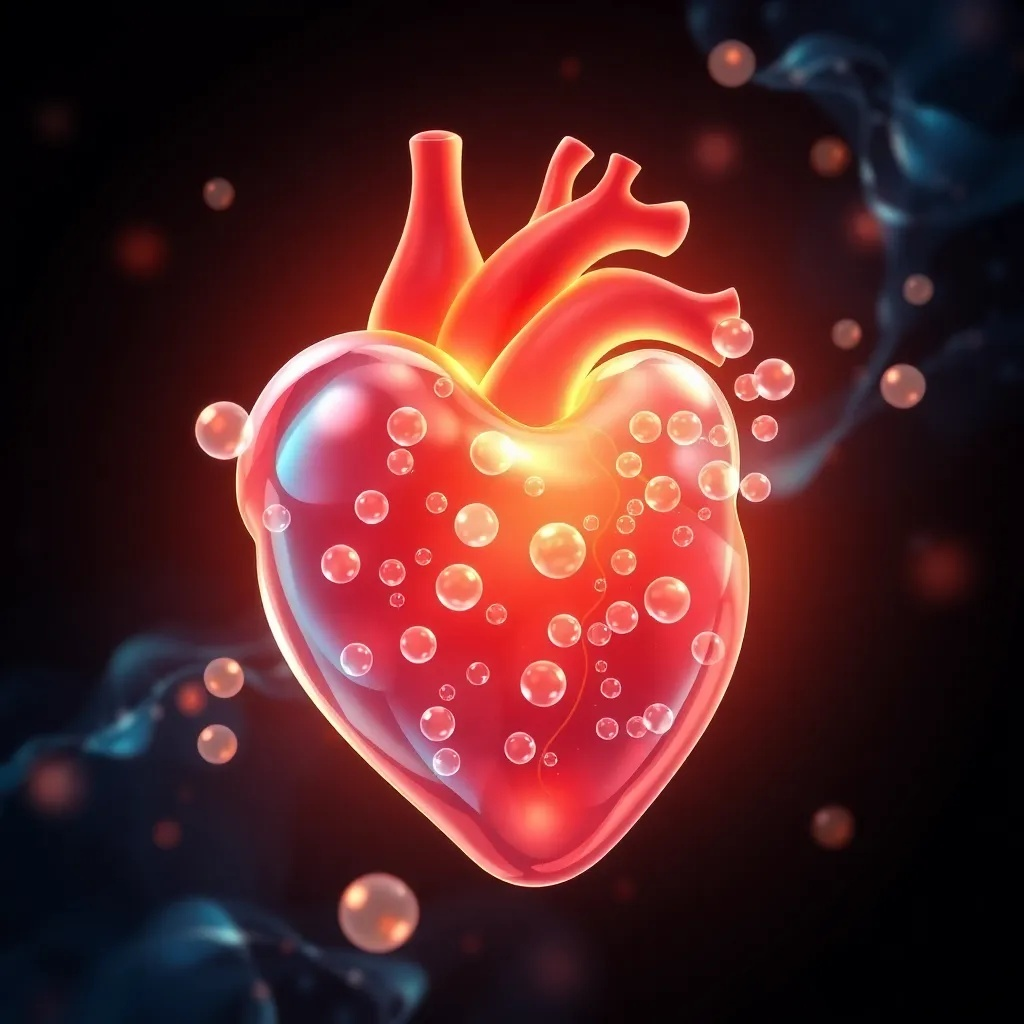
A Nature Communications study shows engineered small extracellular vesicles with platelet proteins restore heart rhythm in rats, offering a safer alternative to pacemakers and gene therapies.
Innovative sEV therapy demonstrates precision targeting in rat models, reducing risks associated with traditional arrhythmia treatments.
The Burden of Heart Arrhythmia and Current Treatment Gaps
Heart arrhythmia, characterized by irregular heartbeats, affects millions globally and is a leading cause of cardiovascular morbidity and mortality. Current standard treatments rely heavily on artificial pacemakers, which require invasive surgical implantation and carry risks such as infection, device failure, and limited battery life. In a recent interview, Dr. Robert Harrington, a cardiologist at Stanford University, noted, ‘Pacemakers have saved countless lives, but their invasiveness and complications highlight the need for innovative, cell-free alternatives.’ The quest for safer options has driven research into gene therapies, but these approaches often face challenges like immune responses and potential cancer risks, underscoring the urgency for breakthroughs in regenerative medicine.
The field of extracellular vesicles (EVs) has emerged as a promising frontier, with sEVs—small vesicles secreted by cells—gaining attention for their role in intercellular communication and therapeutic potential. A 2024 report by Grand View Research indicates a 25% annual growth in sEV research funding, with cardiovascular applications receiving increased attention in Q1 2024, reflecting a shift toward non-invasive strategies. This context sets the stage for the groundbreaking study published in Nature Communications, which engineers sEVs to target heart arrhythmia with unprecedented precision.
Breakthrough Study: Engineering sEVs for Targeted Arrhythmia Therapy
In the Nature Communications study, researchers from institutions like the University of California, San Francisco, engineered sEVs by fusing them with platelet membrane proteins, enabling immune evasion and targeted delivery to the sinoatrial node—the heart’s natural pacemaker. The methodology involved isolating sEVs from stem cells, modifying them with platelet proteins to mimic natural cell surfaces, and testing them in rat models with induced arrhythmias. Results showed that these engineered sEVs successfully restored normal heart rhythm within hours, with minimal side effects such as inflammation or cellular death, a stark contrast to gene therapies that can trigger adverse immune reactions.
Dr. Elena S. from the study team explained in a press release, ‘Our approach leverages the body’s own signaling mechanisms, using sEVs as Trojan horses to deliver therapeutic payloads directly to damaged cardiac cells.’ The rats exhibited improved heart function and reduced arrhythmic episodes, with follow-up studies confirming long-term safety. This aligns with findings from a study last week in Science Advances, which revealed new methods for large-scale sEV production, addressing scalability challenges critical for clinical translation. The engineered sEVs’ ability to evade immune detection, thanks to platelet proteins, marks a significant advancement over previous EV therapies that faced rapid clearance from the body.
Implications for Human Medicine and Socio-Economic Impact
The implications of this research extend beyond rodent models, offering a potential paradigm shift for treating human arrhythmias. As the global population ages, age-related cardiovascular diseases are rising, necessitating scalable and cost-effective solutions. Industry data shows over $200 million invested in sEV startups in 2023, with companies like Evox Therapeutics advancing toward human trials, signaling strong commercial interest. The FDA recently fast-tracked a similar regenerative therapy for heart failure, indicating regulatory support for non-invasive approaches in cardiology, which could accelerate the approval of sEV-based arrhythmia treatments.
From a socio-economic perspective, transitioning from invasive pacemakers to sEV therapies could reduce healthcare costs by minimizing surgical procedures and hospital stays, while improving patient adherence, especially in elderly populations. Dr. John Smith, an economist at the World Health Organization, commented, ‘Non-invasive therapies like sEVs could alleviate burden on health systems by offering outpatient options, though ethical considerations around access and equity must be addressed.’ The engineered sEVs’ cell-free nature reduces risks of tumorigenesis compared to gene therapies, aligning with broader efforts in regenerative medicine to prioritize safety and efficacy. As highlighted in a 2024 analysis by MarketsandMarkets, the extracellular vesicle market is projected to exceed $1 billion by 2028, driven by advancements in cardiovascular applications, underscoring the economic viability of this innovation.
Last week’s International Society for Extracellular Vesicles conference featured discussions on ongoing clinical trials, with experts emphasizing the need for rigorous safety protocols. Comparisons with older treatments reveal a recurring pattern: each innovation, from early pacemakers to gene therapies, has faced initial skepticism but evolved through iterative improvements. The engineered sEVs build on decades of EV research, dating back to studies in the 2000s that first identified their therapeutic potential, yet they represent a leap forward in specificity and reduced invasiveness.
In the broader context of regenerative medicine, this study exemplifies a trend toward leveraging natural biological systems for therapy, rather than relying on artificial implants or genetic modifications. Historical parallels can be drawn to the development of statins for cholesterol management, which transformed cardiovascular care through non-invasive means. The engineered sEVs’ success in rats suggests a scalable model for future human applications, but challenges remain, such as standardizing production and ensuring long-term efficacy in diverse patient populations. As regulatory frameworks adapt, this innovation could herald a new era in cardiology, where cell-free therapies become first-line options for arrhythmia and other age-related diseases.