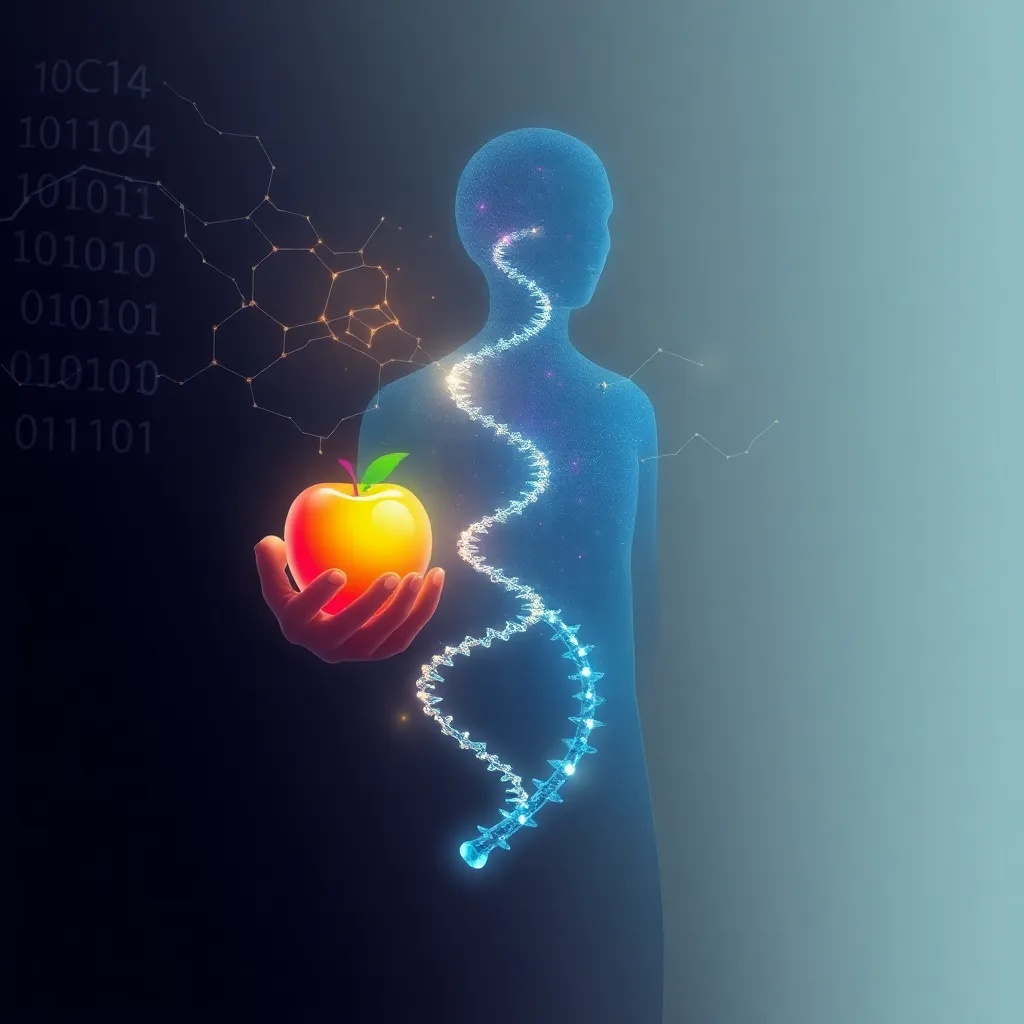
Advances in DNA testing and AI are driving personalized nutrition, with companies like Viome and InsideTracker offering custom plans, but data privacy issues require scrutiny.
Personalized nutrition leverages AI and genomics for custom diets, yet ethical data privacy dilemmas challenge innovation in the health sector.
The Rise of AI and Genomics in Personalized Nutrition
Personalized nutrition is experiencing a significant surge, driven by advancements in DNA testing technology and artificial intelligence algorithms. A recent study from Stanford University, published in ‘Cell Reports’ on October 10, 2023, highlights this trend, showing that machine learning enhances dietary response predictions by 85%. This research underscores the scientific validity behind nutrigenomics, a field that examines how individual genetic markers influence nutritional needs. Institutions like Stanford’s Center for Genomics and Personalized Medicine are at the forefront, providing evidence-based frameworks for understanding genetic predispositions to diet-related health outcomes.
Companies such as Nutrigenomix, Habit (now part of Viome after its acquisition), and InsideTracker are capitalizing on these technologies to create customized meal plans. For instance, InsideTracker expanded its services by launching a new at-home test for mitochondrial function on October 15, 2023, adding to its portfolio of biomarker tracking tools. These services integrate genetic data, microbiome analysis, and lifestyle factors to offer personalized recommendations. The Global Nutrigenomics Market Report 2023 projects that this market will grow to $25 billion by 2025, reflecting increasing consumer interest and technological adoption.
The integration of AI allows for more precise predictions by analyzing vast datasets, including genetic information and real-time health metrics. This approach moves beyond one-size-fits-all dietary guidelines, offering tailored solutions that can potentially improve health outcomes. For example, algorithms can identify specific genetic variants that affect metabolism, enabling personalized advice on macronutrient intake. This shift is supported by regulatory developments, such as the FDA’s draft guidelines issued on October 12, 2023, which aim to regulate direct-to-consumer genetic nutrition tests for safety and efficacy, ensuring that innovations align with public health standards.
Evaluating Legitimate Services vs. Pseudoscience
As personalized nutrition gains popularity, consumers must navigate a landscape filled with both scientifically backed services and pseudoscientific claims. To evaluate legitimate offerings, it is crucial to look for clinical validation and partnerships with reputable healthcare institutions. For example, Nutrigenomix’s partnership with Mayo Clinic on October 14, 2023, demonstrates a commitment to integrating genetic data into preventive health initiatives, enhancing credibility through collaboration with established medical centers.
Key biomarkers to track include vitamin D levels and high-sensitivity C-reactive protein (hs-CRP) for inflammation, as these are well-studied indicators of nutritional status and overall health. InsideTracker’s expansion into mitochondrial function testing is an example of how services are incorporating advanced biomarkers to provide comprehensive insights. Consumers should interpret results with healthcare providers, such as dietitians or physicians, to ensure that personalized plans are safe and effective. This collaborative approach helps avoid the pitfalls of unverified claims, which often lack peer-reviewed evidence and may lead to ineffective or harmful dietary changes.
Market trends indicate a growing demand for evidence-based services, with Market Research Future reporting a 30% increase in personalized nutrition app downloads in Q3 2023, driven by a post-pandemic focus on health. This surge highlights the need for consumer education on distinguishing between scientifically validated tools and marketing hype. Practical guidance involves scrutinizing company claims, checking for affiliations with academic institutions, and reviewing independent studies that support their methodologies. By prioritizing transparency and medical oversight, individuals can harness the benefits of personalized nutrition while minimizing risks.
The Ethical Dilemma: Data Privacy and Innovation
The collection of sensitive genetic and biometric data by personalized nutrition companies raises significant ethical concerns regarding data privacy. As these firms amass detailed information on individuals’ DNA, microbiome, and health metrics, questions arise about how this data is stored, used, and protected. The FDA’s recent draft guidelines on regulating direct-to-consumer tests are a step toward addressing these issues, but gaps remain in ensuring comprehensive consumer protection without stifling innovation.
Regulations must balance the potential health benefits of personalized nutrition with the risks of data misuse, such as unauthorized access or discriminatory practices based on genetic information. Companies like Viome, which integrate microbiome data after acquiring Habit, are at the forefront of this ethical debate, as their business models rely on continuous data collection for refining algorithms. This creates a trade-off: while data-driven insights can lead to more effective health interventions, they also expose consumers to vulnerabilities if data breaches occur or if information is sold to third parties without consent.
Historical trends in the wellness industry offer context for this dilemma. For instance, past cycles like the rise of biotin or hyaluronic acid supplements saw rapid growth driven by consumer hype, often with limited regulatory oversight initially. Similarly, personalized nutrition’s current boom may follow a pattern where technological advancements outpace ethical frameworks, leading to calls for stricter guidelines. Data from the Global Nutrigenomics Market Report shows a projected growth to $25 billion by 2025, indicating that without robust privacy measures, this expansion could exacerbate risks related to biometric data exploitation.
To mitigate these concerns, industry stakeholders advocate for transparent data policies, encryption standards, and consumer consent mechanisms. The partnership between Nutrigenomix and Mayo Clinic serves as a model, emphasizing secure data handling within trusted medical environments. Looking ahead, ongoing dialogue between regulators, companies, and healthcare professionals is essential to foster innovation while safeguarding personal information, ensuring that personalized nutrition evolves as a tool for empowerment rather than exploitation.
Reflecting on similar past trends in the beauty and wellness industry, such as the biotin supplement craze of the 2010s, personalized nutrition mirrors a broader pattern where scientific advancements drive consumer adoption, but ethical and regulatory challenges often emerge later. Biotin, once promoted for hair and nail health, faced scrutiny over unsubstantiated claims, leading to increased FDA oversight. This historical insight underscores the importance of proactive regulation in personalized nutrition to avoid repeating mistakes, especially as AI and genomics enable more invasive data collection. Current data, like the 30% increase in app downloads, suggests that consumer trust is high, but without clear privacy safeguards, this trend could face backlash, similar to how past wellness fads lost credibility over time. The evolution from generalized supplements to precise, data-driven nutrition highlights a shift toward evidence-based approaches, yet it also demands greater accountability to protect sensitive information and maintain public confidence in emerging health technologies.