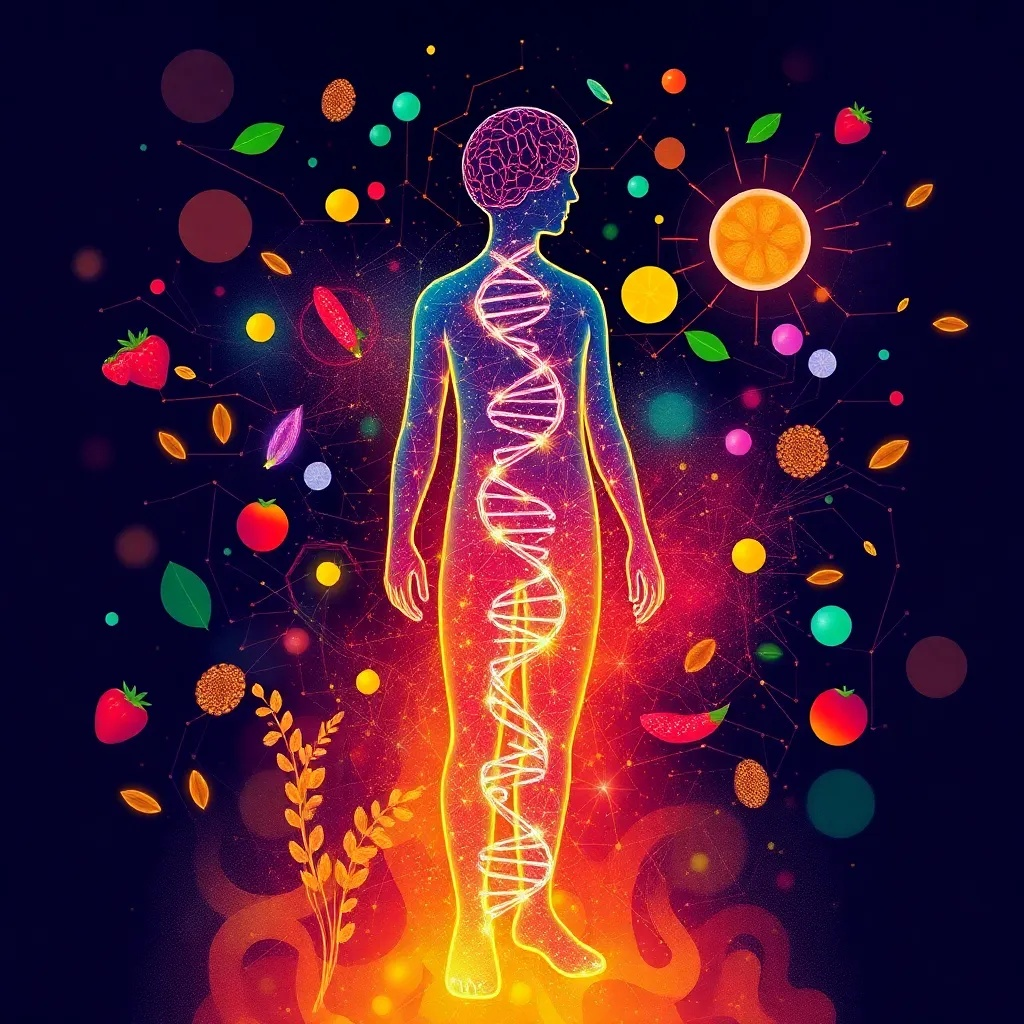
Advancements in AI and genetic testing enable tailored nutrition plans based on biomarkers and gut microbiome analysis, shifting from generic dietary advice to personalized health optimization.
AI and genetic innovations are revolutionizing nutrition by creating customized diets for better health outcomes.
Introduction to Personalized Nutrition
The era of one-size-fits-all dietary guidelines is rapidly fading, replaced by a new paradigm where advancements in genetic testing and artificial intelligence (AI) are crafting highly personalized nutrition plans. This shift leverages individual biomarkers, gut microbiome analysis, and lifestyle factors to optimize health outcomes, prevent chronic diseases, and enhance athletic performance. According to recent industry reports, the global personalized nutrition market is projected to surpass $20 billion by 2025, fueled by rising health awareness and technological innovation. This article delves into how these tools are reshaping nutrition science, offering a detailed analysis of recent developments and their implications for everyday health.
Personalized nutrition is not merely a trend but a scientific evolution, driven by data from genetic profiles and AI algorithms that predict how individuals respond to different foods. A recent study in Nature Communications (October 2023) demonstrated that AI models can effectively predict gut microbiome changes from diet adjustments, enhancing the accuracy of dietary recommendations. This breakthrough underscores the potential for AI to tailor nutrition in ways previously unimaginable, moving beyond generic advice to hyper-personalized strategies that account for unique biological makeup.
Advancements in Genetic Testing and AI
Genetic testing has become increasingly accessible, with companies like 23andMe offering insights into how genetics influence nutrient metabolism and food intolerances. When combined with AI, this data can be analyzed to generate precise nutrition plans. For instance, in late 2023, startup Zoe launched an AI-powered app that uses genetic and microbiome data to customize meal plans for improved health outcomes. This integration allows for real-time nutrition advice, adapting to individual responses and promoting better management of conditions like diabetes or obesity. Partnerships, such as those between 23andMe and nutrition firms, aim to enhance dietary recommendations through integrated genetic and lifestyle data analysis, further personalizing the approach.
AI’s role extends beyond analysis to predictive modeling, where algorithms assess vast datasets to identify patterns in food responses. Market reports indicate over 25% growth in AI adoption for nutrition services in 2023, driven by demand for tailored health solutions. These technologies enable the prevention of chronic diseases by identifying risk factors early and suggesting dietary interventions. For example, AI can analyze biomarkers to recommend specific nutrients that combat inflammation or support cardiovascular health, making nutrition a proactive tool in healthcare rather than a reactive measure.
Market Trends and Practical Applications
The personalized nutrition market is expanding rapidly, with innovations like direct-to-consumer genetic tests paired with mobile apps. This trend reflects a broader move towards digital health, where consumers seek evidence-based, customized solutions. Regulatory bodies are discussing guidelines for AI in nutrition, focusing on data accuracy and consumer protection in personalized plans, ensuring that advancements are safe and reliable. Practical tips for readers include evaluating personalized nutrition services for scientific backing, ensuring data privacy, and consulting healthcare providers before adopting AI-generated plans to maximize benefits and safety.
To integrate these recommendations into daily routines, individuals should start by understanding their genetic predispositions through reputable testing services. Then, using AI-driven platforms, they can receive tailored meal plans that align with their health goals, such as weight management or enhanced athletic performance. It’s crucial to monitor progress and adjust plans based on ongoing biomarker feedback, creating a dynamic approach to nutrition that evolves with individual needs. This method not only improves health outcomes but also empowers people to take control of their wellness through informed choices.
As personalized nutrition gains traction, it’s essential to consider the equity and accessibility issues it presents. The cost of genetic tests and AI services can be prohibitive for many, potentially widening health disparities. Data biases in AI algorithms, often trained on limited demographic samples, may lead to less accurate recommendations for underrepresented groups. Reflecting on similar past trends, such as the rise of biotin or hyaluronic acid supplements, highlights how wellness innovations often cater to affluent consumers first before trickling down. In contrast, personalized nutrition’s technological basis could democratize wellness if policy solutions, like subsidies or inclusive data collection, are implemented to ensure broader adoption.
Historically, nutrition science has evolved from broad public health guidelines to more individualized approaches, mirroring trends in medicine. The current AI-driven shift builds on decades of research into nutrigenomics and microbiome science, which began gaining prominence in the early 2000s. By contextualizing this within the broader beauty and wellness industry, we see a pattern where cutting-edge technologies initially face high costs but gradually become more accessible through market competition and regulatory support. This analytical perspective helps readers understand that while personalized nutrition offers revolutionary benefits, its success depends on addressing systemic barriers to create a truly inclusive health revolution.