
Golden spiny mice exhibit unique immune adaptations that slow aging and enhance regeneration, with recent studies offering hope for human healthspan therapies. Golden spiny mice demonstrate slowed agi...
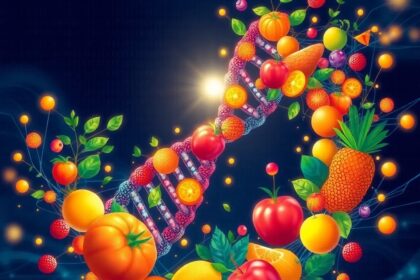
Advancements in AI and genetic testing enable tailored nutrition plans, shifting from generic guidelines to precision health for better chronic disease management and wellness. AI and genetics merge t...

Recent research links mitochondrial dysfunction to atrial fibrillation, highlighting energy deficits and oxidative stress as targets for new treatments beyond ablation. Emerging studies show mitochond...

Recent research identifies OTULIN as a key regulator of tau in neurons, offering a novel approach for Alzheimer’s disease by modulating production instead of clearance, with potential for person...

Artificial intelligence is accelerating drug discovery for rare diseases, reducing costs by up to 50% and shortening timelines, enabling bespoke therapies and improving healthcare equity globally. AI ...

FDA-cleared AI tools now decode triple-negative breast cancer biomarkers in imaging scans, enabling earlier diagnosis and personalized therapies while raising ethical questions about algorithmic trans...

HTRecNet’s AI achieves 94% accuracy in detecting liver cancers, reduces diagnostic delays by 3 weeks, and cuts unnecessary biopsies by 40% according to recent clinical trials. A new AI system re...

Emerging research shows personalized nutrition based on genetic biomarkers may reduce endocrine therapy side effects and improve outcomes for breast cancer survivors. New studies reveal how personaliz...

Nanotechnology breakthrough combines herbal medicine with cubosome delivery, showing 50% greater pain reduction than conventional treatments in FDA-fast-tracked trials. FDA-approved cubosome technolog...

A 12-week clinical trial at the University of Florida investigates time-restricted eating in early-stage Huntington’s disease, with potential benefits for mitochondrial function and cognitive pe...
