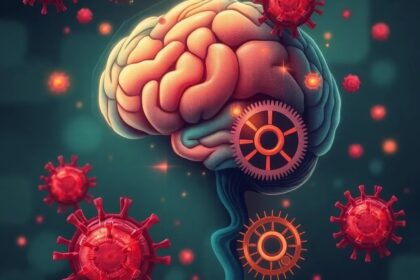
Recent studies reveal complement system biomarkers, such as C3 and C4, change with age and correlate with dementia, offering potential for early Alzheimer’s detection and insights into immune sy...

A July 2024 study in ‘Nature Aging’ validates p-tau217 blood biomarkers for forecasting Alzheimer’s symptoms within 3-4 years, enhancing early intervention and personalized medicine....

Recent studies show targeted epigenetic reprogramming with Yamanaka factors rejuvenates neurons, reversing cognitive decline in aged mice and reducing Alzheimer’s markers, with AI enhancing safe...
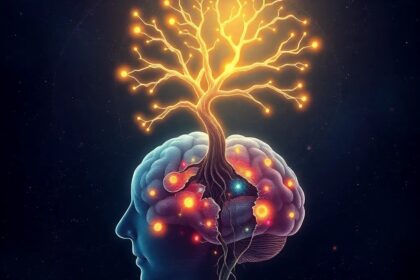
Partial OSK reprogramming rejuvenates engram neurons in aged mice, improving memory by over 50%, with recent studies enhancing safety and biotech firms advancing towards human trials. New research sho...

Recent studies show that targeting engrams with partial reprogramming factors improves memory in mouse models, offering a potential therapy for Alzheimer’s and age-related cognitive decline. New...
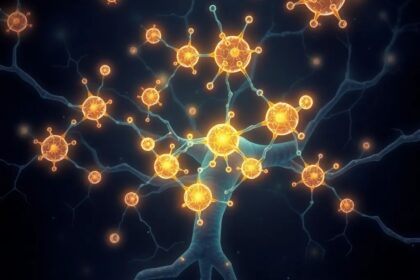
Recent neuroscience studies reveal that functional amyloids, regulated by chaperone proteins, are essential for long-term memory, challenging traditional views and offering new therapeutic avenues for...

New research connects excessive screen time to mental health issues and physical strain, highlighting benefits from structured digital breaks and corporate accountability in tech design. Recent studie...

Recent studies reveal that cystathionine γ-lyase (CSE) deficiency accelerates brain aging via reduced hydrogen sulfide, offering new therapeutic avenues for neurodegenerative diseases. Groundbreaking...
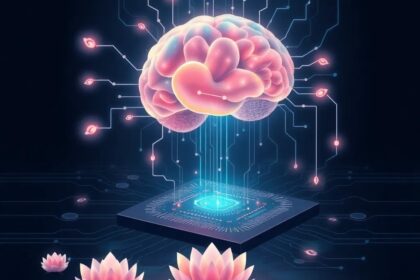
Analysis of AI-driven mindfulness apps using neuroscientific insights to personalize mental wellness, reduce stress, and enhance cognitive function with recent research backing. Combining mindfulness ...

Recent research identifies OTULIN as a key regulator of tau in neurons, offering a novel approach for Alzheimer’s disease by modulating production instead of clearance, with potential for person...
