
Recent studies show Roseburia inulinivorans boosts muscle strength in aging, with probiotics targeting sarcopenia gaining traction in the wellness market amid regulatory and ethical debates. Breakthro...

7-ketocholesterol (7KC), an oxidized cholesterol, is linked to cardiovascular and neurodegenerative diseases, with recent AI diagnostics and clinical trials advancing preventive healthcare for aging p...

ARPA-H’s PROSPR program directs over $50 million to aging trials, advancing drugs like Cambrian’s rapamycin analog and Linnaeus’s GPER-targeter, signaling a shift in treating aging a...
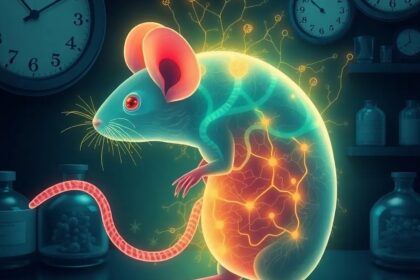
Recent research reveals that depleting gut microbiota in aged mice improves brain structure and function, highlighting the gut-brain axis as a key target for anti-aging therapies. Manipulating gut mic...

Recent advancements in cellular reprogramming, including significant funding and clinical trials, are transforming anti-aging science by targeting root causes of age-related diseases. Cellular reprogr...
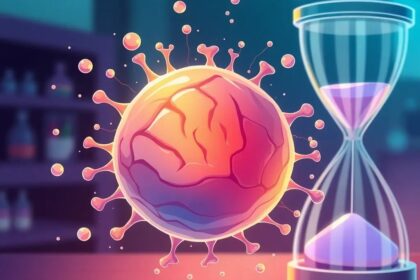
Recent advances in partial cellular reprogramming using OSKM factors show promise in extending healthspan and treating age-related diseases, with biotech firms accelerating towards human trials. New r...

Recent studies show targeted epigenetic reprogramming with Yamanaka factors rejuvenates neurons, reversing cognitive decline in aged mice and reducing Alzheimer’s markers, with AI enhancing safe...

Analytical post exploring CAR-T cell therapy’s potential to treat Alzheimer’s by targeting amyloid plaques, with insights from recent clinical trials and cost-benefit considerations. Innov...
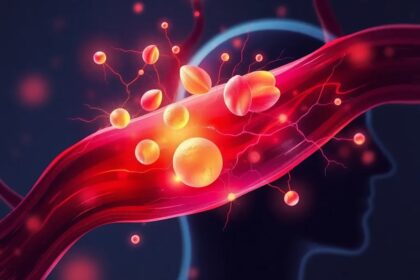
New research identifies IRF7 as a critical driver of unstable atherosclerotic plaques, offering a potential therapeutic target to reduce cardiovascular events through innovative clinical trials and te...

Recent studies reveal CAR-T cells with lecanemab antibodies reduce amyloid plaques in mice, highlighting a shift towards personalized cell-based therapies for Alzheimer’s treatment. New research...