
A groundbreaking study reveals that depleting the gut microbiome in aged mice improves memory and reduces brain inflammation, highlighting the gut-brain axis as a target for non-invasive aging interve...

Recent advances in partial cellular reprogramming using OSKM factors show promise in extending healthspan and treating age-related diseases, with biotech firms accelerating towards human trials. New r...

A new blood test based on p-tau217 biomarker can predict Alzheimer’s symptom onset in 3-4 years with high accuracy, offering early intervention opportunities. Recent studies validate a p-tau217 ...

New evidence supports menopausal hormone therapy for reducing mortality and enhancing healthspan, with updated guidelines emphasizing personalized approaches based on recent studies and expert insight...

Cornell University research reveals white fat can generate heat via uncoupling, offering a potential complementary therapy to GLP1 agonists for obesity, with recent discussions at conferences highligh...

Emerging research links aging oral microbiome with senescent cells to amplify systemic inflammation, driving diseases like Alzheimer’s and offering new intervention targets such as probiotics an...

Recent studies show targeted epigenetic reprogramming with Yamanaka factors rejuvenates neurons, reversing cognitive decline in aged mice and reducing Alzheimer’s markers, with AI enhancing safe...

Recent studies reveal elevated IL-6 levels strongly correlate with Alzheimer’s and mild cognitive impairment, highlighting inflammaging’s role and potential for lifestyle and drug interven...
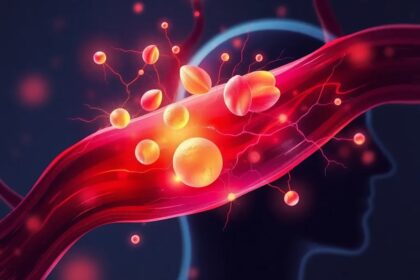
New research identifies IRF7 as a critical driver of unstable atherosclerotic plaques, offering a potential therapeutic target to reduce cardiovascular events through innovative clinical trials and te...

The rising popularity of plant-based diets is backed by scientific evidence showing reduced chronic disease risks and environmental benefits, with practical tips for integration. Plant-based diets are...