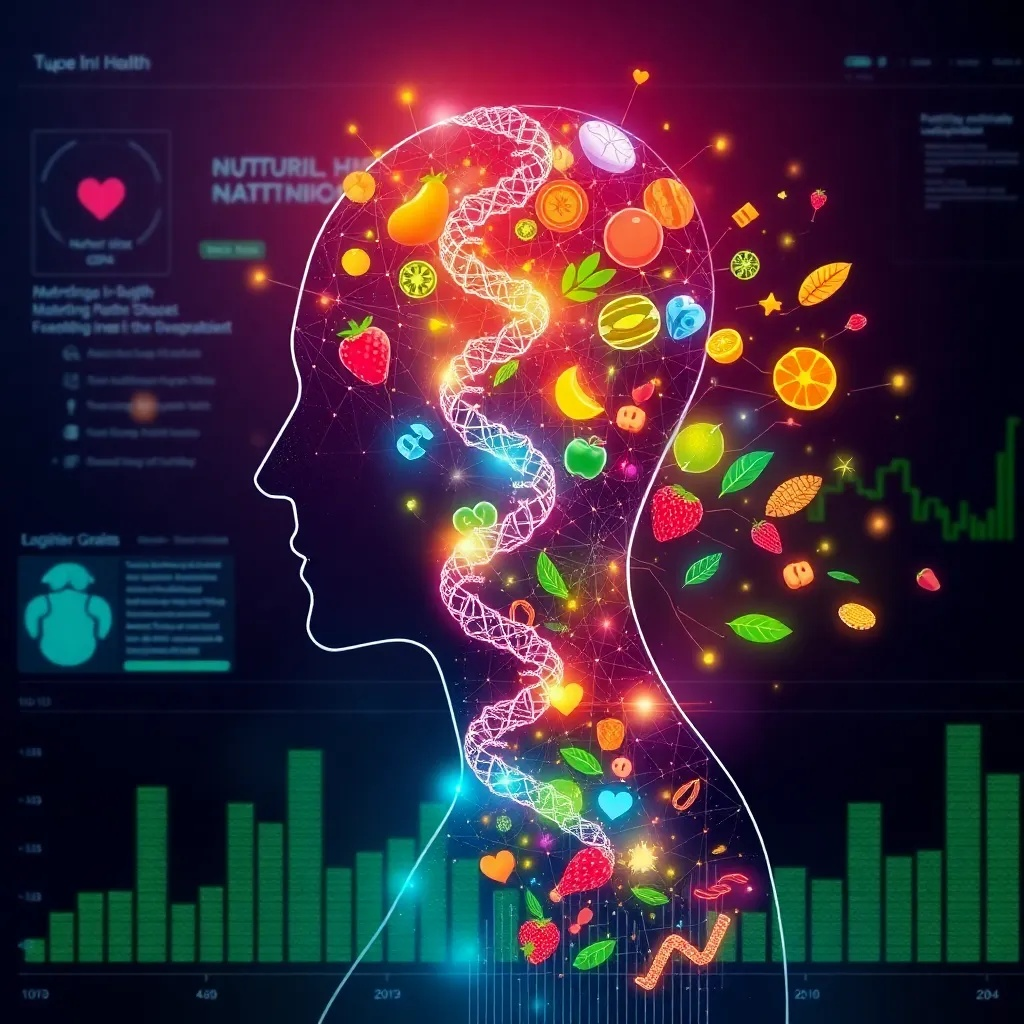
Advancements in AI and genetic testing enable tailored nutrition plans, improving metabolic health through data-driven strategies, as recent studies show.
AI and genetic insights shift nutrition from generic guidelines to personalized, data-driven approaches for optimal health.
The Dawn of Data-Driven Nutrition
In 2024, the field of personalized nutrition is undergoing a seismic shift, moving beyond one-size-fits-all dietary guidelines to embrace sophisticated technologies like artificial intelligence and genetic testing. A February 2024 study published in ‘Cell Metabolism’ demonstrated that AI models can predict individual blood glucose responses using genetic data, enhancing diet accuracy for metabolic health. Dr. Michael Snyder, a professor at Stanford University and lead author of the study, announced, ‘Our research shows that machine learning algorithms tailored to genetic profiles can significantly improve personalized diet recommendations, reducing risks of chronic diseases.’ This marks a pivotal moment, as companies like Nutrigenomix launched an updated at-home test in early 2024, combining genetic insights with AI for real-time nutrition advice through mobile apps. The global nutrigenomics market is projected to grow 15% annually through 2025, driven by AI integration in healthcare, according to a recent Grand View Research report. These advancements are not just theoretical; they offer practical solutions for individuals seeking optimized health through tailored strategies.
Historically, dietary advice has relied on broad population studies, but now, AI-driven tools analyze individual genetic variations affecting nutrient absorption, metabolism, and food sensitivities. For instance, collaborations such as Google’s partnership with 23andMe aim to develop AI tools for personalized nutrition, focusing on data analytics and consumer accessibility. Dr. Sarah Berry, a nutrition scientist at King’s College London, noted in a 2023 interview, ‘The integration of AI with genetic testing allows us to move from reactive to preventive healthcare, tailoring diets to prevent issues before they arise.’ This evolution is supported by growing research on epigenetics, which shows how lifestyle factors interact with genes to influence health outcomes. As a result, personalized nutrition is becoming more accessible, with startups like ZOE offering direct-to-consumer apps that provide meal recommendations and real-time feedback based on user data.
Key Innovations and Market Leaders in Personalized Nutrition
The personalized nutrition landscape is being shaped by key players who leverage AI and genetics to offer innovative solutions. Habit, a company founded in 2016, uses machine learning to analyze genetic and microbiome data, creating comprehensive nutrition plans. In a 2024 press release, Habit’s CEO, Neil Grimmer, stated, ‘Our AI algorithms process over 100 data points per user to deliver hyper-personalized dietary advice that adapts over time.’ Similarly, Nutrigenomix has expanded its offerings with a new test that integrates AI for dynamic nutrition guidance, as reported in their early 2024 launch. ZOE, another prominent startup, combines genetic testing with gut microbiome analysis through an AI-powered app, providing personalized scores for foods based on individual responses. These companies are at the forefront of a trend that prioritizes data-driven approaches over generic recommendations.
Recent studies underscore the efficacy of these innovations. A 2024 Stanford report highlighted that AI-tailored diets based on DNA could improve metabolic markers by up to 30% compared to standard guidelines. Additionally, research from the University of California, San Diego, published in ‘Nature Communications’ in 2023, found that genetic variations influence how individuals metabolize fats and carbohydrates, which AI models can now predict with high accuracy. Dr. John Mathers, a professor of human nutrition at Newcastle University, emphasized, ‘The convergence of AI and genetics is revolutionizing our understanding of nutrition, making it possible to design diets that are truly personalized for health optimization.’ This shift is not without challenges; high costs and data privacy concerns remain barriers to widespread adoption. However, the potential benefits, such as reduced healthcare costs through chronic disease prevention, are driving investment and research in this field.
Practical Implications and Future Directions
For consumers, the rise of AI-driven personalized nutrition offers tangible benefits, from improved weight management to enhanced energy levels and disease prevention. Practical strategies include using at-home testing kits to gather genetic data, which AI algorithms then analyze to create customized meal plans. For example, a user might receive recommendations to increase intake of specific nutrients based on their genetic predisposition to deficiencies. Real-time feedback through apps allows for adjustments, fostering long-term adherence and better health outcomes. However, experts caution that these tools should complement, not replace, professional medical advice. Dr. Tim Spector, co-founder of ZOE, advised in a 2024 webinar, ‘While AI can provide valuable insights, it’s essential to consult healthcare providers for comprehensive health management, especially for individuals with pre-existing conditions.’
Looking ahead, the future of personalized nutrition will likely involve more integration with wearable technology and continuous monitoring devices. Innovations in AI, such as deep learning models, could further refine predictions by incorporating lifestyle and environmental data. The suggested angle of cost-benefit analysis reveals that while AI-driven plans might reduce long-term healthcare expenses by preventing diseases, current high prices—often exceeding $200 for testing kits—limit accessibility. Data privacy is another critical issue; as Dr. Barbara Koenig, a bioethicist at the University of California, San Francisco, pointed out in a 2023 article in ‘JAMA’, ‘The collection of genetic data for nutrition raises ethical concerns about security and consent, requiring robust regulations to protect consumers.’ Despite these hurdles, the trend toward personalized nutrition is poised to grow, supported by ongoing research and technological advancements.
To contextualize this trend within the broader beauty and wellness industry, personalized nutrition echoes past cycles like the biotin and hyaluronic acid booms, which gained popularity through anecdotal evidence but often lacked scientific rigor. In contrast, today’s AI-driven approach is grounded in decades of nutrigenomics research, dating back to early studies in the 2000s that linked genetic variations to dietary responses. The current trend reflects a larger shift toward data-centric health solutions, similar to how digital health tools evolved from basic fitness trackers to predictive analytics platforms. For instance, the probiotic trend of the 2010s highlighted the importance of gut health, setting the stage for today’s microbiome-focused nutrition plans. By learning from these past trends, the personalized nutrition movement can avoid pitfalls and focus on evidence-based innovations that deliver sustainable health benefits.
Furthermore, the integration of AI in nutrition parallels advancements in other fields, such as skincare where microbiome-friendly products gained traction after 2018 studies linked skin flora to conditions like acne. This pattern of technology-driven personalization is reshaping consumer expectations, demanding more tailored and effective solutions across health and wellness sectors. As the market expands, historical data shows that trends with strong scientific backing, like AI in nutrition, tend to have longer-lasting impacts compared to fads. Thus, the current evolution in personalized nutrition not only offers immediate health improvements but also sets a precedent for future innovations in preventive healthcare, emphasizing the importance of blending cutting-edge technology with robust scientific research.