Explore how AI and genetic testing are revolutionizing nutrition by tailoring diets to individual metabolic and genetic data, improving health outcomes while raising ethical questions about data privacy.
AI and genetics are transforming nutrition into a personalized science, moving beyond generic guidelines to optimize health based on individual data.
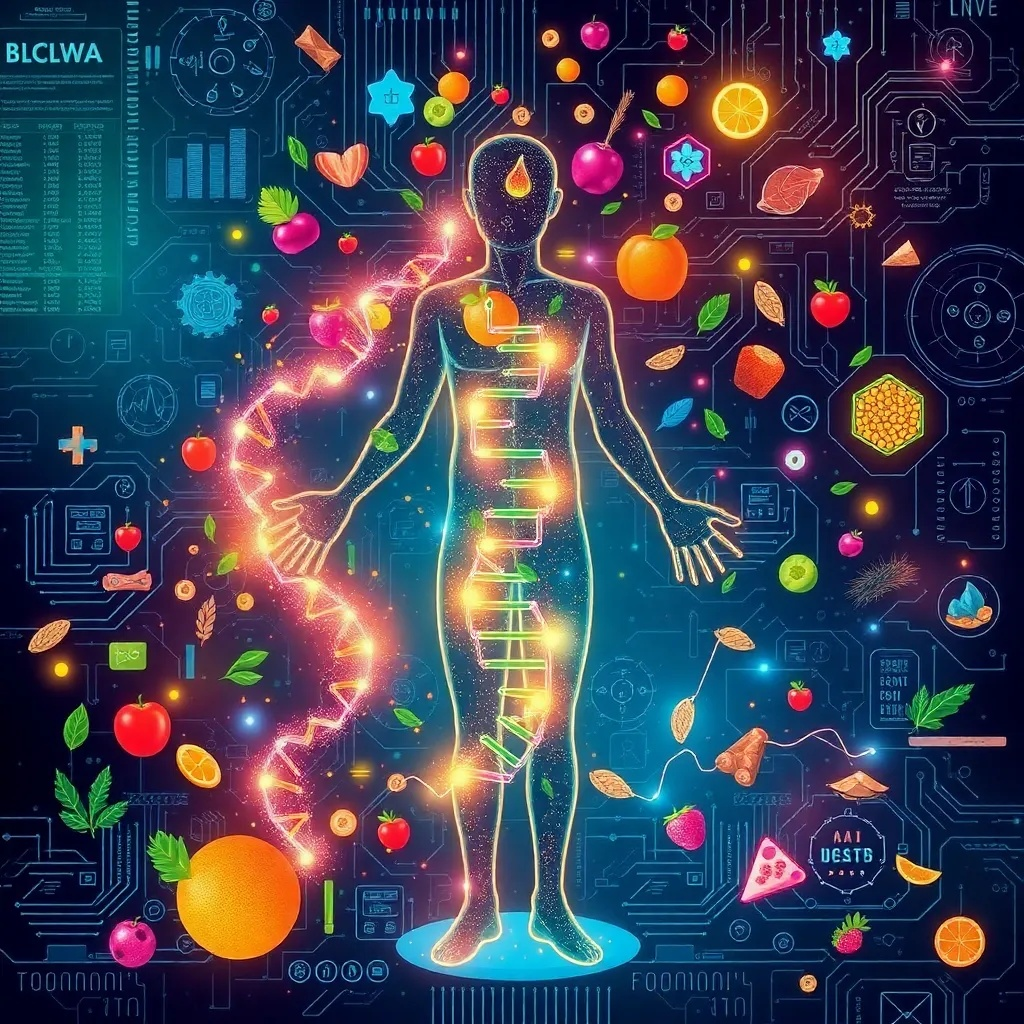
The landscape of nutrition is undergoing a radical shift, driven by the convergence of artificial intelligence and genetic testing. No longer are dietary recommendations based on broad population studies; instead, they are becoming highly personalized, tailored to an individual’s unique metabolic responses, gut microbiome composition, and genetic predispositions. This evolution represents a paradigm shift towards precision medicine in nutrition, offering the potential to significantly improve chronic disease management and preventive health strategies.
The Science Behind Personalized Nutrition
At the core of this transformation is nutrigenomics, the study of how genes interact with nutrients. Advances in genetic sequencing have made it possible to decode individual DNA, revealing predispositions to conditions like obesity, diabetes, and heart disease. According to the International Society of Nutrigenomics, in their 2023 consensus statement, there is an urgent need for standardized genetic testing protocols to enhance the reliability of commercial services. This scientific foundation is crucial for developing accurate personalized nutrition plans that go beyond static genetic snapshots.
Artificial intelligence amplifies this by analyzing complex, real-time data from wearables and microbiome sequencing. A study published in Nature Communications in October 2023 demonstrated that AI models can predict individual glucose responses to foods with 85% accuracy. Dr. Elena Rodriguez, a lead researcher on the study, stated, ‘Our findings highlight how AI can integrate dynamic metabolic data to offer more precise dietary advice, moving us closer to truly individualized nutrition.’ This capability allows for dietary adjustments that optimize blood sugar levels, potentially reducing the risk of type 2 diabetes and other metabolic disorders.
Recent Developments and Practical Applications
The market for personalized nutrition is booming, with a Grand View Research report projecting it to reach $37.3 billion by 2030, fueled by technological innovations and growing health awareness. Services like ZOE utilize machine learning to analyze glucose responses and gut health, providing users with actionable insights. For instance, ZOE’s app offers personalized food scores based on real-time data, helping individuals make informed choices to manage conditions like obesity and inflammation.
Regulatory advancements have also played a role. Recent FDA approvals have expanded direct-to-consumer genetic tests, with companies such as 23andMe adding nutrition-related traits to their offerings. This has made personalized insights more accessible, though it raises questions about accuracy and interpretation. McKinsey’s 2023 analysis notes a 30% annual growth in AI health tech investments, particularly in preventive nutrition applications, underscoring the sector’s potential to revolutionize healthcare from a reactive to a proactive model.
Ethical Considerations and Data Privacy
As innovation accelerates, ethical concerns come to the forefront. Data privacy is a critical issue, as companies handle sensitive genetic and health information. The Lancet report in 2023 highlighted AI-driven microbiome analysis as key for tailoring diets to reduce inflammation and chronic disease risks, but it also emphasized the need for robust data protection measures. Dr. Michael Tan, a bioethics expert, warned, ‘Without strict regulations, the misuse of genetic data could lead to discrimination or breaches of consumer trust.’
When evaluating commercial DNA-based nutrition services, consumers should seek transparency in data usage and adherence to regulatory standards. Experts recommend looking for peer-reviewed scientific backing and clear privacy policies. For example, services that disclose how data is stored, shared, and anonymized can help build confidence. Additionally, understanding the science behind nutrigenomics—such as how specific genes influence nutrient metabolism—empowers users to make informed decisions rather than relying on marketing claims.
The trend towards personalized nutrition is not occurring in isolation; it builds on decades of dietary movements. In the past, trends like low-fat diets in the 1980s or the recent surge in collagen supplements often lacked individual customization. For instance, the biotin craze in the 2010s promised enhanced hair and nail health but was not scientifically validated for all users, leading to mixed results. Similarly, the popularity of hyaluronic acid in skincare highlighted a desire for targeted solutions, yet it often overlooked individual skin types and conditions.
This evolution reflects a broader shift in the wellness industry towards evidence-based, data-driven approaches. Just as precision medicine customizes treatments based on genetic profiles, personalized nutrition aims to overcome the limitations of one-size-fits-all recommendations by providing tailored advice. As the field grows, addressing challenges like data security, regulatory oversight, and equitable access will be essential for sustainable growth and maintaining consumer trust in this transformative health trend.