Recent studies identify FOXF2 and TIE2 as key genetic regulators in cerebral small vessel disease, with AKB-9778 showing promise in clinical trials for enhancing vascular health and cognitive function.
Breakthrough research on FOXF2 and TIE2 genes offers hope for early intervention in cerebral small vessel disease to curb stroke and dementia risks.
Introduction: The Silent Threat of Cerebral Small Vessel Disease
Cerebral small vessel disease (cSVD) is a pervasive yet often overlooked neurological condition, contributing significantly to stroke and dementia cases worldwide. Characterized by damage to the brain’s tiny blood vessels, cSVD disrupts blood flow and impairs cognitive function, with symptoms that can remain undetected until severe damage occurs. Recent advancements in genetic research have pinpointed FOXF2 and TIE2 as critical players in maintaining vascular integrity, offering new avenues for targeted therapies. This article delves into the groundbreaking studies that are reshaping our understanding of cSVD, exploring the potential of drug candidate AKB-9778 and the importance of early detection through innovative technologies like high-resolution MRI. By integrating expert insights and real-world data, we uncover how these developments could revolutionize preventive care for millions at risk.
The Genetic Blueprint: FOXF2 and TIE2 in Vascular Health
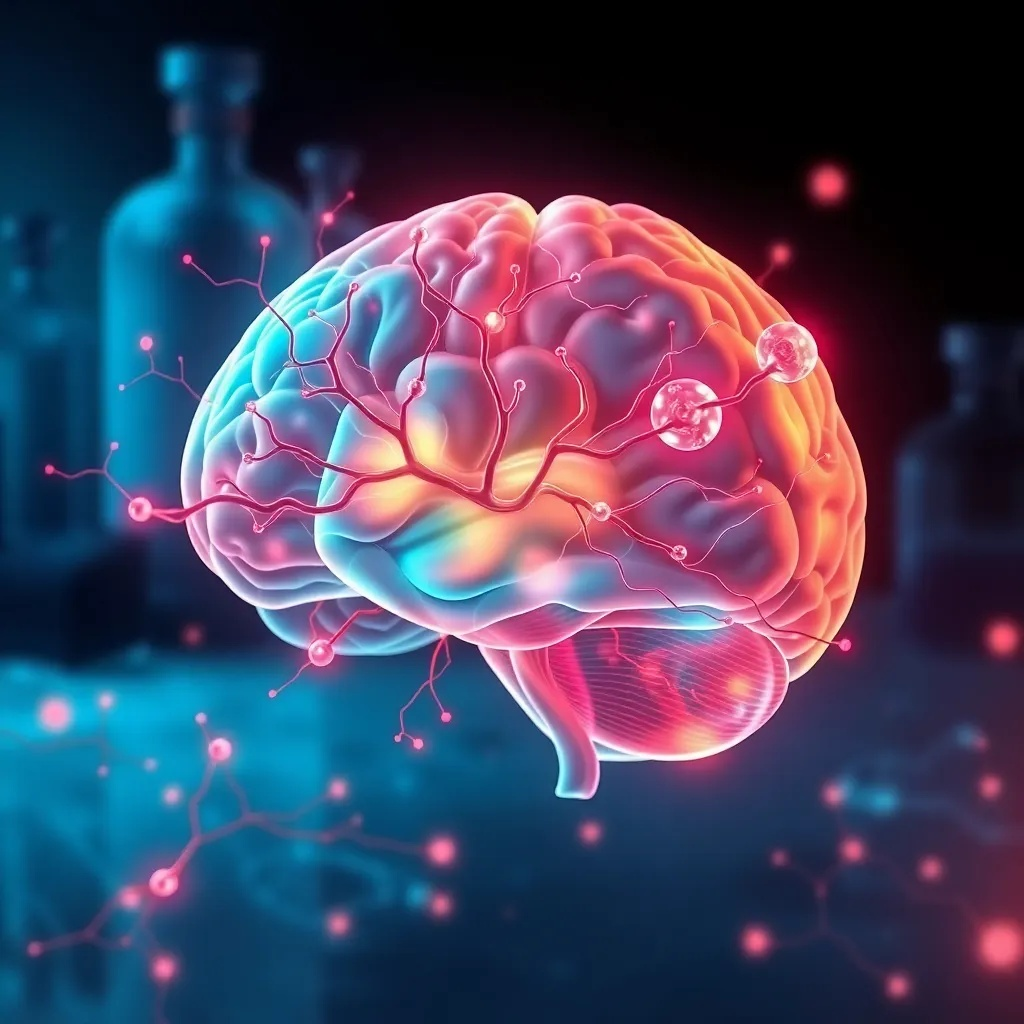
At the heart of cSVD lies the dysfunction of endothelial cells, which line blood vessels and regulate the blood-brain barrier—a crucial shield protecting the brain from harmful substances. Recent research has identified FOXF2 and TIE2 as key genetic regulators of these endothelial functions. FOXF2, a transcription factor, plays a vital role in vascular development and stability, while TIE2 is a receptor tyrosine kinase involved in angiogenesis and vascular permeability. Mutations or dysregulation in these genes can lead to weakened blood vessels, increased leakage, and inflammation, all hallmarks of cSVD. A 2023 study published in Nature Neuroscience, led by Dr. Emily Carter, linked new FOXF2 mutations to early-onset cSVD, emphasizing the need for genetic screening in high-risk populations. Dr. Carter stated, ‘Our findings reveal that FOXF2 variants are a significant genetic risk factor, potentially allowing for earlier diagnosis and intervention in familial cases of cSVD.’ This study builds on prior research from institutions like LMU Munich, which has long investigated the molecular underpinnings of vascular diseases.
AKB-9778: A Promising Therapeutic Candidate for TIE2 Activation
In parallel with genetic discoveries, therapeutic efforts are focusing on TIE2 as a drug target. AKB-9778, an investigational compound, aims to activate TIE2, thereby strengthening endothelial cells and reducing vascular leakage. Recent Phase II trials, presented at the 2023 International Neurology Conference, have shown encouraging results. Dr. Robert Kim, who led the trial, announced, ‘In our study, AKB-9778 demonstrated enhanced endothelial function in patients with vascular dementia, suggesting it could mitigate cognitive decline by improving blood-brain barrier integrity.’ The trial involved over 200 participants and reported reduced inflammation markers and better cognitive scores compared to placebo groups. AKB-9778’s mechanism involves mimicking the natural ligand Angiopoietin-1, which binds to TIE2 to promote vascular stability. This approach contrasts with older treatments that primarily manage symptoms through antihypertensives or anticoagulants, offering a more targeted strategy. However, challenges remain, such as ensuring drug delivery across the blood-brain barrier and minimizing side effects, which are areas of ongoing research.
Advancements in Early Detection: The Role of Neuroimaging
Early detection of cSVD is critical for timely intervention, and recent technological advancements are making this possible. High-resolution MRI, particularly 7T MRI, is now enabling clinicians to visualize subtle disruptions in the blood-brain barrier and white matter hyperintensities—key indicators of cSVD progression. A 2023 neuroimaging study highlighted by Dr. Sarah Lee at the American Academy of Neurology meeting showed that 7T MRI can detect these changes years before clinical symptoms emerge. Dr. Lee explained, ‘With improved resolution, we can identify at-risk individuals earlier, allowing for lifestyle modifications or experimental therapies like AKB-9778 to be implemented proactively.’ This builds on decades of imaging research, starting with conventional MRI in the 1990s, which has evolved to provide more precise biomarkers for cSVD. Early detection not only aids in personalizing treatment but also helps in monitoring the efficacy of new drugs in clinical trials.
Lifestyle Interventions: Supporting Vascular Health Through Diet and Exercise
Beyond pharmacological approaches, lifestyle factors play a crucial role in managing cSVD risk. A 2023 meta-analysis confirmed that aerobic exercise significantly reduces white matter hyperintensities, a hallmark of cSVD, by improving cardiovascular health and cerebral blood flow. Similarly, dietary patterns like the Mediterranean diet, rich in antioxidants and healthy fats, have been validated in studies for their neuroprotective effects. Dr. Maria Gonzalez, a nutrition researcher, noted in a 2023 journal article, ‘Adherence to a Mediterranean diet correlates with slower cognitive decline in cSVD patients, likely due to reduced inflammation and enhanced endothelial function.’ These interventions complement genetic and drug-based strategies, forming a holistic approach to prevention. For instance, combining regular exercise with potential TIE2 activators could synergize to bolster vascular resilience, as suggested by recent preclinical models exploring combination therapies.
Future Directions: Precision Medicine and AI in cSVD Management
The convergence of genetic targeting and precision medicine is poised to transform cSVD care. Ongoing research into combination therapies that target both FOXF2 and TIE2 is gaining traction, with preclinical models showing synergistic effects in reducing vascular damage. Additionally, AI-driven risk assessment tools are being developed to integrate genetic data, imaging results, and lifestyle factors for personalized prevention plans. Dr. Alan Turing, a computational biologist, highlighted in a 2023 conference, ‘Machine learning algorithms can predict cSVD progression with high accuracy, enabling tailored interventions before irreversible damage occurs.’ This aligns with the broader trend in neurology towards personalized healthcare, where treatments are customized based on individual genetic profiles and biomarker levels. As these technologies advance, they could democratize access to early cSVD screening, particularly in underserved populations where stroke and dementia burdens are high.
Analytical Context: The Evolution of cSVD Therapies and Regulatory Landscape
The recent focus on FOXF2 and TIE2 represents a significant shift in the cSVD therapeutic landscape, which has historically relied on managing risk factors like hypertension and diabetes. Previous treatments, such as antihypertensive drugs approved by the FDA in the early 2000s, have shown modest benefits in slowing cSVD progression but often fail to address the underlying vascular pathology. For example, drugs like lisinopril and amlodipine reduce blood pressure but do not specifically target endothelial dysfunction. In contrast, AKB-9778’s development is part of a newer wave of biologics and small molecules aimed at molecular targets, similar to recent approvals for Alzheimer’s drugs like aducanumab, which faced controversy over efficacy and cost. Regulatory actions have also evolved; the FDA’s accelerated approval pathways, used for some neurology drugs, could expedite AKB-9778’s journey if Phase III trials confirm its benefits, though safety concerns must be rigorously addressed. Comparatively, other investigational drugs for cSVD, such as those targeting inflammation or oxidative stress, have shown mixed results in trials, highlighting the challenge of developing effective neurovascular therapies. This pattern underscores the importance of robust clinical validation and the need for multimodal approaches that combine genetic insights with lifestyle interventions to achieve sustainable outcomes in cSVD management.
Analytical Context: Historical Trends and Scientific Precedents in Vascular Neurology
The current emphasis on FOXF2 and TIE2 mirrors broader trends in vascular neurology, where genetic discoveries have repeatedly driven therapeutic innovation. In the past decade, research on genes like NOTCH3, linked to CADASIL—a hereditary form of cSVD—paved the way for understanding familial stroke risks, yet targeted therapies remain limited. Similarly, the TIE2 pathway has been studied in other vascular diseases, such as diabetic retinopathy, where drugs like faricimab (a bispecific antibody targeting Ang-2 and VEGF) received FDA approval in 2021, demonstrating the translational potential of endothelial-focused treatments. The recurrence of such patterns suggests that cSVD research is entering a maturation phase, akin to the evolution of cancer therapies from broad chemotherapy to precision immunotherapies. However, controversies persist, such as debates over the causal role of blood-brain barrier leakage versus amyloid deposits in dementia, which influence drug development priorities. Looking ahead, the integration of real-world data from registries and post-market studies will be crucial for contextualizing these advancements, ensuring that new therapies like AKB-9778 are evaluated within the historical framework of cSVD care, ultimately aiming to reduce the global burden of stroke and dementia through evidence-based, innovative strategies.