Advances in AI and genomics are driving personalized nutrition, with studies showing improved metabolic health and growing consumer adoption, despite data privacy concerns.
AI and genomics are revolutionizing nutrition by creating tailored diets that enhance health outcomes and prevent chronic diseases.
The Science Behind Personalized Nutrition
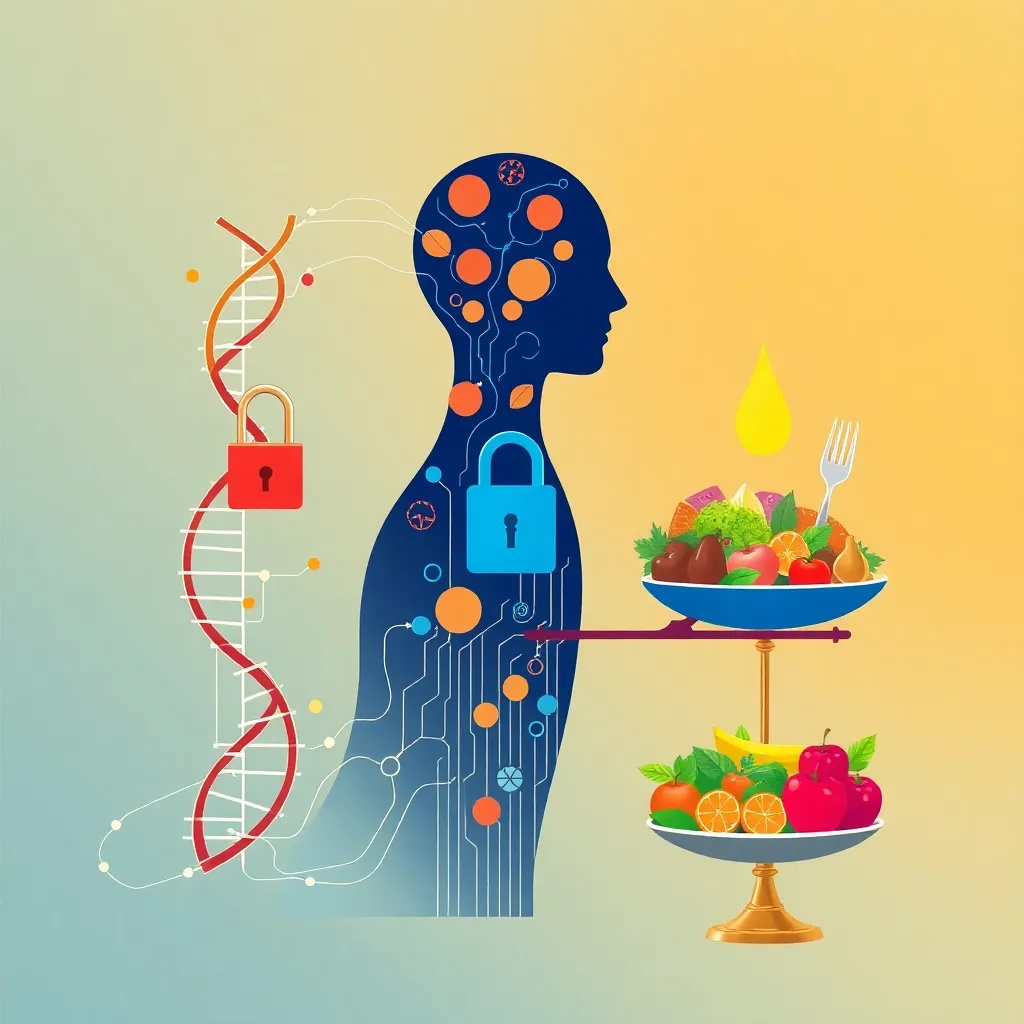
Personalized nutrition is rapidly evolving through the integration of artificial intelligence and genomics, offering diets tailored to individual genetic profiles and lifestyle data. This approach aims to combat chronic conditions like diabetes and obesity by providing precise nutrient recommendations. A key study published in Nature Communications in 2023 demonstrated that AI algorithms analyzing gut microbiome data could significantly reduce blood sugar levels in participants over a 12-week period, highlighting substantial metabolic benefits. According to the researchers, this method allows for more accurate dietary interventions compared to one-size-fits-all approaches. The use of genomics in nutrition isn’t entirely new; it builds on decades of research following the Human Genome Project, which mapped human DNA and opened doors to understanding genetic variations affecting nutrient metabolism. Early efforts in nutrigenomics faced skepticism due to limited data, but advancements in AI have enabled real-time analysis, making personalized plans more effective. For instance, AI can process vast datasets from genetic tests and wearable devices to adjust diets dynamically, as seen in innovations from companies like Zoe. This scientific foundation is crucial for validating personalized nutrition’s potential in preventive healthcare, moving beyond anecdotal evidence to data-driven solutions.
Current Applications and Innovations
In recent years, personalized nutrition has seen significant commercial and regulatory advancements, making it more accessible to consumers. The FDA recently approved a new nutrigenomic test for personalized vitamin recommendations, expanding DNA-based dietary insights into clinical settings. This approval, announced by the FDA in a 2023 press release, marks a milestone in integrating genetic data into mainstream health practices. Startups are also playing a pivotal role; for example, Zoe secured $20 million in funding to enhance its AI nutrition app, which combines genetic information with continuous glucose monitoring for real-time dietary advice. This innovation reflects a broader trend where technology bridges gaps in traditional nutrition guidance. Consumer interest is surging, as evidenced by a survey from the International Food Information Council, which found that 40% of consumers are now interested in personalized nutrition, up 10% from 2022. This growth is fueled by the global market, projected to surpass $16 billion by 2027 according to Grand View Research, indicating robust investment and adoption. Companies are leveraging these trends to develop products that not only recommend diets but also monitor outcomes through apps and devices, creating a feedback loop that refines recommendations over time. However, this rapid expansion raises questions about scalability and accuracy, as not all personalized nutrition services are backed by rigorous science, leading to variability in results.
Ethical Implications and Data Privacy
As personalized nutrition gains traction, ethical concerns, particularly around data privacy, have come to the forefront. AI systems process highly sensitive information, including genetic data and personal health metrics, which could be vulnerable to cyber threats. The recent FDA approval of nutrigenomic tests underscores the need for robust data protection measures, as highlighted by experts in digital health. For instance, cybersecurity firms have reported increasing incidents of health data breaches, emphasizing the risks in storing genetic information. This tension between innovation and consumer trust is not unique to nutrition; similar issues arose with the rise of direct-to-consumer genetic testing companies like 23andMe in the early 2010s, which faced scrutiny over data sharing practices. In personalized nutrition, companies must balance delivering effective, tailored diets with safeguarding user data through encryption and transparent policies. Regulatory bodies are responding; the FDA’s guidelines now include provisions for data security in health technologies, but gaps remain. Addressing these challenges is essential for sustaining growth, as consumer confidence hinges on privacy assurances. Analysts suggest that learning from past tech booms, where data misuse led to public backlash, can help shape better practices in this emerging field.
Reflecting on the evolution of personalized nutrition, it’s clear that this trend is part of a broader shift in the wellness industry toward customization, reminiscent of earlier cycles like the popularity of biotin and hyaluronic acid supplements. In the 2010s, biotin gained widespread attention for hair and nail health, driven by consumer demand for targeted solutions, but often lacked strong scientific backing, leading to mixed results. Similarly, hyaluronic acid surged in skincare for its hydrating properties, supported by studies from the early 2000s, yet its benefits varied among individuals. Personalized nutrition builds on these lessons by incorporating genetic insights to reduce variability, with data from the International Food Information Council survey showing that interest has grown steadily, mirroring patterns in other health trends. Historically, the wellness industry has seen cycles where initial excitement gives way to more evidence-based approaches, as seen with the blood type diet in the 1990s, which was later debunked. Today, the integration of AI and genomics represents a maturation phase, leveraging past innovations to create more reliable and scalable solutions. This context helps readers understand that while personalized nutrition is innovative, it follows a familiar trajectory of refinement and validation in health trends.