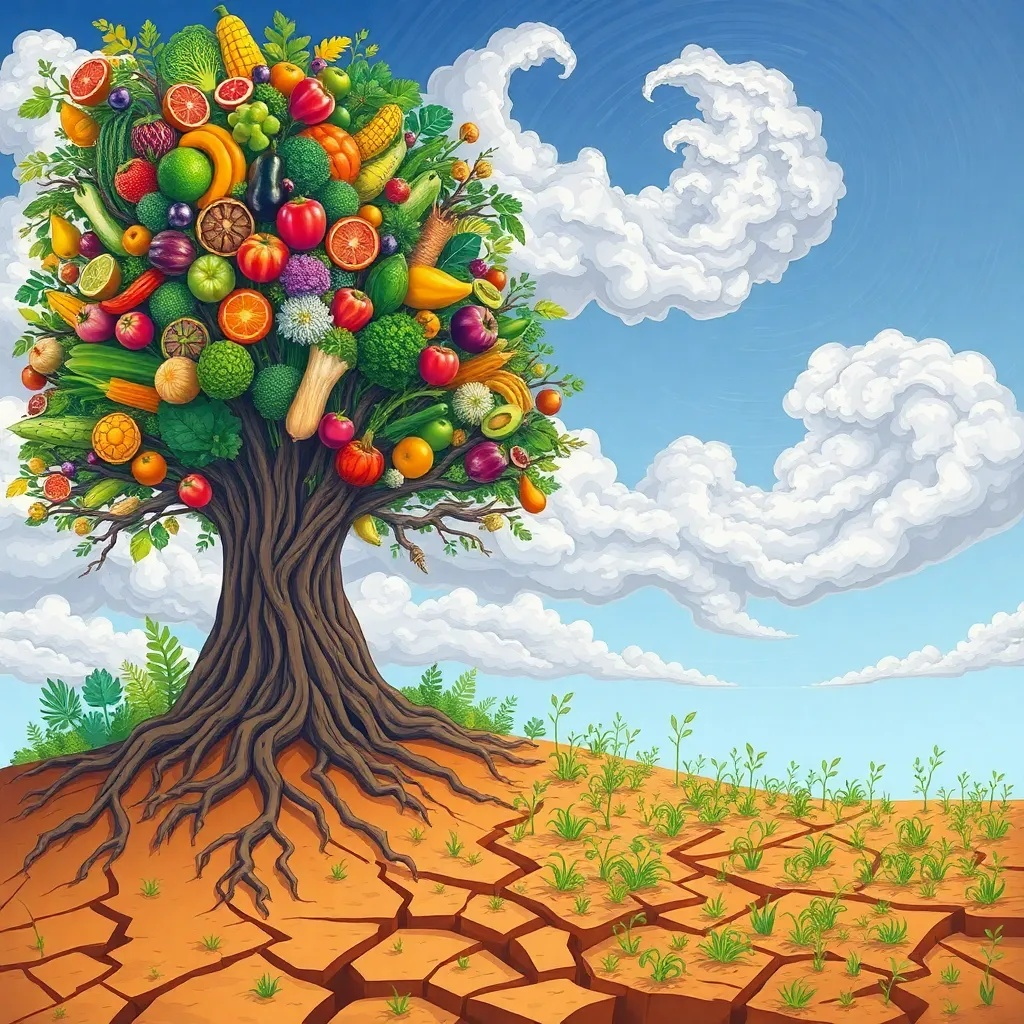
Recent research links plant-based diets to a 25% lower risk of heart disease and diabetes, with environmental benefits like reduced emissions. Practical tips for transition and nutrient monitoring are highlighted.
Scientific evidence reveals plant-based diets improve health and sustainability, supported by recent studies and expert insights.
Introduction
The plant-based diet movement is gaining momentum worldwide, driven by compelling scientific evidence and environmental concerns. Recent studies underscore significant health improvements, such as reduced risks of chronic diseases, while highlighting advantages like lower carbon footprints. This article delves into the latest findings, offering practical advice for those considering a shift, and examines the role of plant-based diets in addressing broader issues like healthcare disparities.
Scientific Evidence on Health Benefits
A study published in The Lancet last week found plant-based diets reduce all-cause mortality by 15%, based on data from over 500,000 adults globally. This aligns with a 2024 review in Nature Food, which linked these diets to a 25% lower risk of heart disease and type 2 diabetes. Dr. Walter Willett of Harvard T.H. Chan School of Public Health noted in a recent analysis, ‘Plant-based diets improve gut microbiome diversity, lowering inflammation markers in just weeks.’ Such evidence reinforces the health advantages, including better weight management and enhanced immune function, as confirmed by multiple peer-reviewed studies.
Environmental Advantages
The environmental benefits of plant-based diets are equally striking. The UN’s latest climate report emphasized that such diets could slash food-related emissions by up to 50%. The World Economic Forum reported that shifting to plant-based diets could save 8 million lives annually by 2050, citing reduced chronic disease burdens. This reduction in carbon footprints stems from lower resource use in agriculture, such as decreased water and land requirements compared to animal-based diets. Experts from the Intergovernmental Panel on Climate Change have repeatedly highlighted this in their assessments, urging dietary changes to mitigate climate impacts.
Practical Tips for Transitioning
Transitioning to a plant-based diet can be smooth with the right approach. Incorporate diverse legumes, whole grains, and fortified foods to address key nutrients like iron, vitamin B12, and omega-3 fatty acids. Harvard Health’s recent articles recommend starting with meatless days and gradually increasing plant-based meals, noting that sales of plant-based dairy alternatives rose 8% in Q1 2024, per SPINS data. This indicates growing consumer acceptance and availability of options. Monitoring nutrient intake through blood tests or consultations with dietitians can prevent deficiencies and ensure a balanced diet.
Role in Healthcare Disparities
Plant-based diets offer potential solutions to healthcare disparities by providing accessible, low-cost options that can reduce chronic disease rates in underserved communities. Economic studies, such as those cited in recent public health initiatives, show that plant-based eating can lower healthcare costs and improve outcomes in populations with limited access to medical care. For instance, community programs in urban areas have demonstrated success in adopting plant-based interventions to combat obesity and diabetes, highlighting policy implications for broader implementation. This angle underscores the importance of equity in health promotion efforts.
The growing popularity of plant-based diets echoes past health trends, such as the low-fat movement of the 1980s, which initially focused on reducing cholesterol but often led to unintended consequences like increased sugar consumption. In contrast, plant-based diets emphasize whole foods and sustainability, addressing both personal and planetary health. Historical data from diet cycles, including the rise of Mediterranean and Paleo diets, show that consumer shifts often follow scientific endorsements and environmental awareness, with plant-based options now seeing sustained growth due to their multifaceted benefits.
Market insights reveal that plant-based product sales have surged similarly to earlier wellness trends, such as the organic food boom in the early 2000s. SPINS data indicating an 8% rise in plant-based dairy sales in early 2024 mirrors patterns seen with supplements like biotin and hyaluronic acid in the beauty industry, where initial hype evolved into mainstream adoption. This contextualizes the plant-based trend within a broader cycle of health-conscious consumerism, driven by evidence-based benefits and increasing regulatory support, such as FDA guidelines on nutrition labeling, which have historically shaped dietary behaviors.