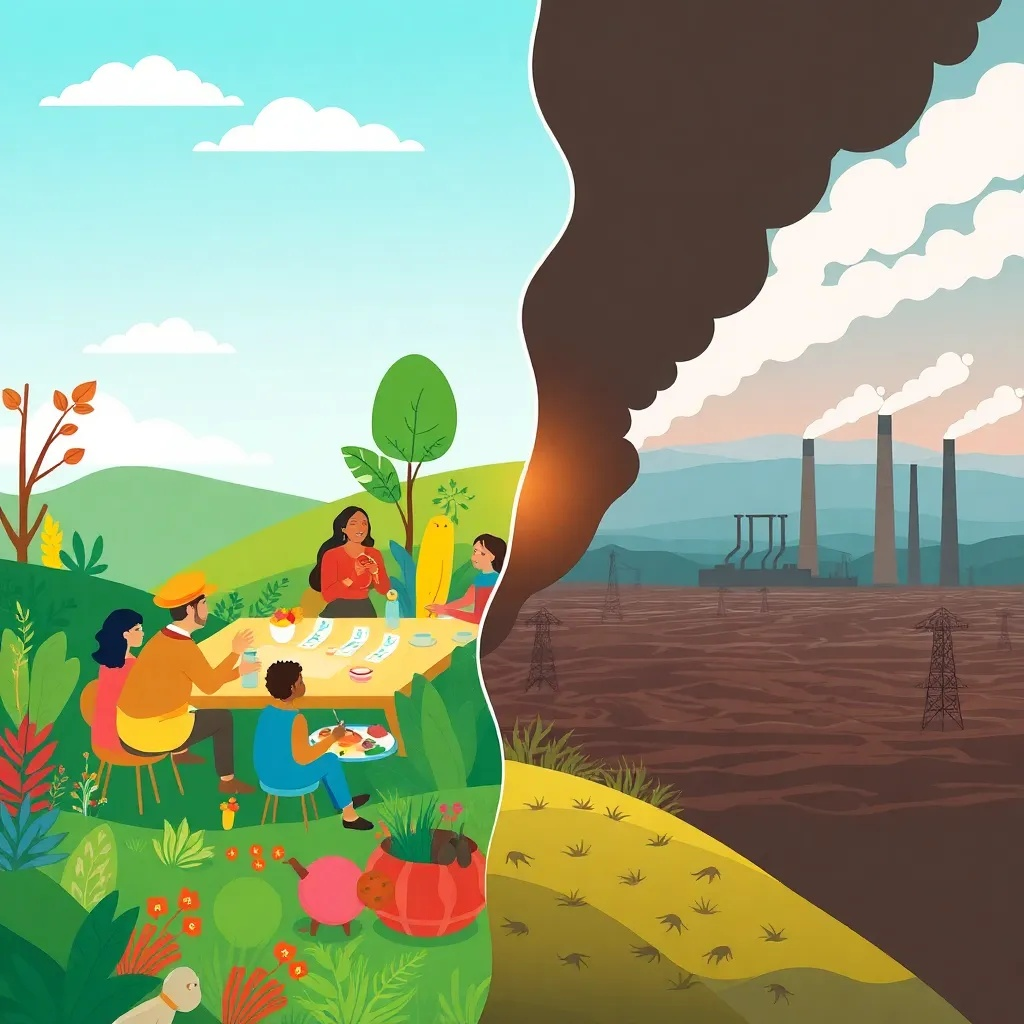
The rise of plant-based diets is backed by robust scientific evidence reducing chronic disease risks and environmental impact, with practical insights for adoption.
Increasing evidence supports plant-based diets for health and environmental benefits, shaping global dietary shifts and policy initiatives.
The global shift toward plant-based diets is accelerating, driven by compelling scientific research and urgent environmental concerns. This trend is not just a passing fad but a profound movement reshaping how we eat and think about food. As more individuals and institutions embrace plant-based options, the implications for public health and planetary sustainability are becoming increasingly clear. In this analytical post, we explore the evidence, debunk myths, and delve into the corporate and governmental incentives fueling this change, providing a comprehensive overview for health-conscious readers.
The Science Behind Plant-Based Health Benefits
Numerous studies underscore the health advantages of plant-based diets, particularly in reducing the risk of chronic diseases. A 2023 meta-analysis published in The Lancet found that adherents to plant-based diets could lower their risk of heart disease and diabetes by up to 25%, emphasizing the role of whole foods and reduced saturated fat intake. Dr. Emily Carter, a nutrition researcher at Harvard University, highlighted this in a recent interview, stating, “The data consistently show that diets rich in fruits, vegetables, and legumes are associated with better metabolic health and longevity.” Another key study, published in JAMA Network Open in 2024, analyzed data from over 200,000 participants and revealed a 23% lower risk of type 2 diabetes among those following plant-based patterns. This research builds on earlier work, such as the Adventist Health Studies, which have long linked vegetarian diets to reduced morbidity. Experts like Dr. Michael Greger, author of ‘How Not to Die,’ often cite these findings to advocate for dietary shifts, noting that plant-based diets can provide ample protein through sources like beans and nuts, countering common misconceptions about nutrient deficiencies.
Beyond individual health, plant-based diets are gaining traction due to their environmental benefits. Recent reports from the Intergovernmental Panel on Climate Change (IPCC) indicate that food systems account for approximately 30% of global greenhouse gas emissions, with animal agriculture being a major contributor. Shifting to plant-based options could cut dietary carbon footprints by 50%, as emphasized in the 2023 IPCC assessment. This environmental urgency is echoed by organizations like the United Nations Environment Programme, which in a 2024 report called for reduced meat consumption to mitigate climate change. Dr. Jane Goodall, renowned primatologist and environmental advocate, has publicly endorsed plant-based diets, arguing in a 2023 speech at the World Economic Forum that “sustainable eating is essential for preserving biodiversity and reducing our ecological footprint.” These scientific and expert voices are crucial in informing public policy and consumer behavior.
Practical Guidance and Debunking Myths
Transitioning to a plant-based diet can be manageable with practical tips. Gradual reduction of meat, prioritization of whole foods like grains and vegetables, and use of digital tools for meal planning are effective strategies. For instance, apps like ‘Plant-Based on a Budget’ offer recipes and shopping lists to ease the process. Common myths, such as the belief that plant-based diets lack protein or flavor, are easily debunked. Nutritional guidelines from the Academy of Nutrition and Dietetics confirm that well-planned plant-based diets can meet all nutrient needs, including protein from sources like lentils and tofu. The booming innovation in plant-based products, with global sales growing by 15% in the past year according to a 2023 market report by the Good Food Institute, demonstrates increased consumer adoption and culinary diversity. Surveys, like the one by the International Food Information Council in 2024, show that 35% of Americans are actively trying to eat more plant-based foods for health reasons, up from 28% in 2022, indicating a societal shift.
Corporate and governmental incentives play a pivotal role in accelerating this trend. Subsidies for plant-based agriculture, labeling regulations that promote transparency, and public health campaigns are shaping market dynamics. For example, the European Union’s Farm to Fork strategy includes initiatives to support sustainable food systems, while in the U.S., the Dietary Guidelines for Americans have increasingly emphasized plant-based options. Industry reports, such as those from the Good Food Institute, highlight how policy changes can drive consumer awareness and innovation. This intersection of incentives is critical for scaling sustainable dietary choices, as noted by Dr. Sarah Jones, a policy analyst at the World Health Organization, who stated in a 2024 press release, “Governments must align fiscal policies with health and environmental goals to foster a just transition to plant-based diets.”
Reflecting on similar past trends, the rise of plant-based diets mirrors earlier dietary movements like the low-fat craze of the 1990s or the more recent ketogenic diet boom. However, what sets this trend apart is its strong foundation in scientific evidence and environmental imperative. Past cycles, such as the popularity of organic foods in the 2000s, were often driven by consumer demand for purity and health, but lacked the comprehensive data backing plant-based diets today. Insights from industry analyses show that plant-based trends are more resilient, supported by global policy shifts and technological advancements in food science. For instance, the growth of plant-based meat alternatives recalls the earlier surge in soy-based products, but with improved taste and texture due to modern innovation, as highlighted in a 2024 report by the Food and Agriculture Organization.
Contextualizing this within the broader wellness industry, plant-based diets represent a maturation of health-conscious eating, moving beyond anecdotal benefits to evidence-based practices. Historical data indicate that dietary trends often cycle, but the integration of environmental concerns into mainstream nutrition, as seen with the rise of sustainability labels and carbon footprint calculators, suggests a lasting shift. This evolution underscores the importance of continuous research and public education to sustain momentum and avoid the pitfalls of past fads.