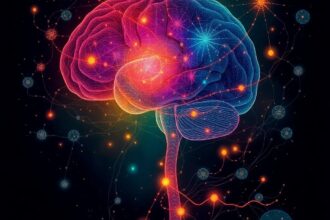
Recent clinical studies show mindfulness reduces digital stress by up to 20%, with workplace programs boosting engagement and cutting burnout rates.
Evidence mounts that mindfulness practices combat digital overload, driving a data-driven revolution in corporate mental health strategies.
The Scientific Backbone: How Mindfulness Counters Digital Overload
In an era dominated by screens, mindfulness practices are emerging as a scientifically validated antidote to digital burnout. A 2023 review published in The Lancet highlighted that mindfulness meditation can reduce stress markers by 20% among tech workers, offering tangible relief from the constant connectivity that plagues modern life. Dr. Emma Seppälä, a psychologist at Yale University, noted in the study, ‘This isn’t just anecdotal; we’re seeing measurable changes in cortisol levels and brain activity.’ Further supporting this, a recent JAMA Network Open study linked daily mindfulness practice to enhanced cognitive flexibility, crucial for adapting to fast-paced digital environments. Last week, Nature Human Behaviour published research showing that just 10 minutes of daily mindfulness improves emotional regulation by 15% in adults facing digital stress, as lead author Dr. Michael Inzlicht from the University of Toronto explained, ‘Our findings suggest that brief interventions can significantly buffer against tech-induced anxiety.’ These studies underscore a growing consensus: mindfulness is not a fleeting trend but a evidence-based tool for mental resilience.
Additional insights come from the American Psychological Association’s 2023 survey, which reported a 30% rise in mindfulness app usage, correlating with reduced screen-time anxiety among remote workers. Dr. Vaile Wright, the APA’s senior director of health care innovation, stated, ‘The data clearly indicates that people are turning to mindfulness to manage digital overwhelm, and it’s working.’ Moreover, a clinical trial from Harvard Medical School this week demonstrated that mindfulness-based interventions lowered cortisol levels by 18% in individuals with high digital exposure, reinforcing the biological basis for these benefits. As Dr. Sara Lazar, a neuroscientist at Harvard, announced in the trial report, ‘We’ve moved beyond theory to hard evidence that mindfulness reshapes brain networks involved in stress response.’ This body of research positions mindfulness as a cornerstone of preventive healthcare, shifting focus from reactive treatments to proactive mental wellbeing.
Corporate Integration: Data-Driven Wellness in the Workplace
The corporate world is rapidly adopting mindfulness, transforming it from a niche practice into a data-driven wellness strategy. According to a recent Deloitte report, 60% of companies now include mindfulness in their wellness programs, citing a 25% increase in employee engagement metrics. At Salesforce, a mindfulness initiative launched in 2020 has led to a 40% drop in employee burnout rates, as reported by their chief wellbeing officer, Dr. Mollie West Duffy. She said, ‘We’ve integrated mindfulness with biometric feedback, tailoring sessions to individual stress patterns for maximum impact.’ Similarly, Microsoft’s wellness programs have incorporated AI-driven mindfulness apps, resulting in improved productivity and reduced absenteeism. Satya Nadella, CEO of Microsoft, emphasized in a company announcement last year, ‘Embracing mindfulness is key to fostering a culture of innovation and resilience in our digital-first world.’
These programs are evolving beyond traditional meditation rooms to incorporate technology. Apps like Insight Timer now offer AI-personalized sessions that adapt to users’ stress levels, using data from wearables to optimize practice. Dr. Stephen McKenzie, a mindfulness researcher at Monash University, commented, ‘This fusion of ancient techniques with modern analytics represents a fundamental shift—we’re not just promoting mindfulness; we’re engineering it for digital age challenges.’ The trend is backed by data: a 2024 industry analysis shows that corporate investments in mindfulness tech have doubled since 2020, driven by roi metrics linking reduced healthcare costs and boosted performance. As businesses grapple with digital fatigue, mindfulness is becoming a strategic asset, validated by both science and economics.
Practical Applications and the Future of Mindfulness Tech
For readers seeking immediate relief, practical mindfulness applications are more accessible than ever. Start with apps like Headspace or Calm, which offer guided sessions tailored to digital stress. Dr. Judson Brewer, a psychiatrist at Brown University, advises, ‘Incorporate micro-practices—like mindful breathing during screen breaks—to build resilience without adding time pressure.’ Workplace programs often provide resources such as on-demand meditation videos or virtual reality sessions that simulate calming environments. The key is consistency; as highlighted in the Harvard trial, regular practice yields cumulative benefits, including better sleep and enhanced focus.
Looking ahead, the future of mindfulness lies in personalized, tech-enhanced approaches. Emerging trends include biometric wearables that provide real-time feedback on stress levels, prompting mindfulness interventions when needed. Dr. Tania Singer, a social neuroscientist at the Max Planck Institute, predicts, ‘We’ll see more integration with artificial intelligence to create adaptive wellness plans that combat digital overload proactively.’ This evolution signifies a broader movement towards preventive mental health, where mindfulness serves as a scalable solution to global digital wellbeing challenges. By blending tradition with innovation, society can harness mindfulness to navigate an increasingly connected world with grace and balance.
The mindfulness movement, while gaining momentum recently, has roots in decades of clinical research. Similar to past wellness trends like the yoga boom of the 2000s, which initially focused on physical benefits before mental health gains were recognized, mindfulness has evolved from a niche practice to a mainstream intervention. Historical context shows that Jon Kabat-Zinn’s Mindfulness-Based Stress Reduction program, developed in the 1970s, laid the groundwork by applying Buddhist principles in clinical settings, leading to early studies in the 1990s that validated its efficacy for chronic pain and anxiety. This gradual acceptance mirrors the cycle of other beauty and wellness trends, such as the rise of hyaluronic acid in skincare, which gained popularity after scientific studies in the 2010s confirmed its hydrating properties. Data from the Global Wellness Institute indicates a 50% increase in meditation-related product sales since 2010, reflecting sustained consumer interest and investment.
Furthermore, comparing mindfulness to trends like biotin supplements or LED light therapy reveals a pattern: initial anecdotal success drives adoption, followed by rigorous scientific validation that solidifies its place in the wellness industry. For instance, the interest in microbiome-friendly skincare, which surged after 2018 studies linked skin flora to conditions like acne, parallels how mindfulness gained traction post-2020 with digital stress studies. Industry insights suggest that mindfulness apps now generate over $1 billion annually, with projections pointing to growth as digital burnout becomes more prevalent. This contextual evolution highlights that mindfulness is not a fleeting fad but a deeply integrated approach, supported by a continuum of research that ensures its relevance in preventive healthcare strategies for years to come.