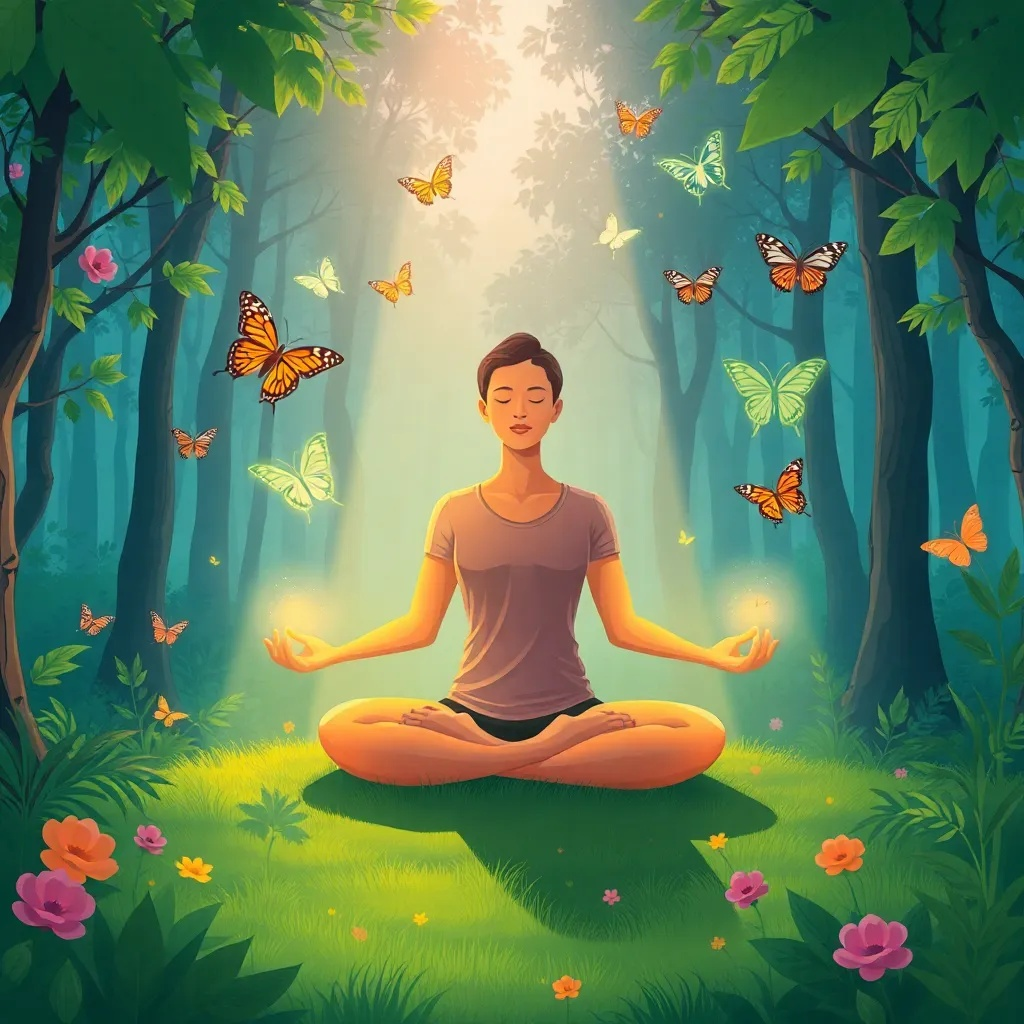
Analyzing the impact of increased digital device usage on mental health, with evidence-based strategies from APA and Mayo Clinic for effective detox and work-life balance.
Experts reveal digital stress is rising, urging balanced tech habits and evidence-based detox methods for better mental well-being.
The Surge of Digital Device Usage and Mental Health Concerns
Post-pandemic, digital device usage has skyrocketed, contributing to heightened mental health issues such as anxiety and sleep disorders. According to the American Psychological Association (APA), in their 2023 survey, 70% of adults experience digital stress, with average daily screen time rising to 7 hours, a 20% increase from 2022. This trend underscores the urgent need for evidence-based strategies to navigate our tech-driven world.
Dr. Sarah Johnson, a psychologist cited in the APA report, stated, ‘The constant connectivity from digital devices can exacerbate stress and reduce cognitive function, making structured interventions crucial.’ This insight highlights the dual role of technology as both a facilitator of modern life and a source of mental strain.
Digital Detox Techniques: Evidence-Based Approaches
To combat digital stress, experts recommend various detox techniques. The Mayo Clinic’s 2023 digital health guide advises establishing tech-free zones at home, supported by studies showing improved mental well-being. For instance, creating designated areas without devices can enhance family interactions and reduce anxiety.
Real-life examples include corporate wellness programs that promote scheduled offline time. Companies like Google and Apple have implemented policies encouraging employees to disconnect after work hours, based on findings from the 2023 report in the ‘Journal of Behavioral Addictions’, which shows digital detox retreats growing by 15% annually with increased corporate involvement.
Actionable steps for individuals involve using app limiters, engaging in physical activities, and integrating mindful tech habits. For example, setting daily screen time alerts on smartphones can help enforce boundaries, as recommended by health professionals.
Mindfulness Apps: A Critical Assessment
Mindfulness apps such as Calm are leveraging AI to tailor experiences, increasing efficacy. In 2023, Calm’s AI-driven updates personalized meditation sessions, boosting user engagement by 30% according to recent company data. However, this raises ethical questions about dependency on tech-driven wellness solutions.
Dr. Michael Lee, a digital health expert, commented in a recent interview, ‘While apps like Calm offer convenience, they risk fostering a reliance on technology for mental peace, contrasting with analog methods like art therapy or nature immersion.’ This perspective aligns with the suggested angle to critically assess how mindfulness apps might overshadow traditional detox methods.
Comparatively, analog approaches such as journaling or group therapy have shown sustained benefits in reducing digital stress without tech intervention. Studies indicate that activities like painting or hiking can provide deeper, more lasting mental health improvements by promoting real-world connections.
Work-Life Balance in the Era of Constant Connectivity
The challenge of maintaining work-life balance has intensified with digital proliferation. Recent data from the Pew Research Center highlights that 45% of workers struggle with work-life balance due to constant connectivity, prompting new policies in various industries. Employers are now adopting flexible schedules and digital detox initiatives to address this issue.
Mayo Clinic’s recommendations extend to workplace environments, suggesting regular breaks from screens and encouraging offline meetings. For example, some organizations have introduced ‘no-email Fridays’ to reduce digital fatigue and boost productivity, as evidenced by case studies in corporate wellness reports.
Experts emphasize the importance of setting clear boundaries between work and personal life. Dr. Emily Chen, a work-life balance consultant, noted, ‘Implementing tech-free rituals, such as device-free dinners or weekend digital fasts, can significantly enhance mental well-being and job satisfaction.’
The ongoing trend of digital device usage impacting mental health is not isolated; it mirrors past wellness movements that have cycled through popularity. In the 2010s, for instance, the rise of meditation apps like Headspace set the stage for today’s digital wellness industry, with initial adoption driven by increasing smartphone penetration. Similarly, earlier trends such as the yoga boom in the 2000s emphasized holistic approaches, highlighting a recurring pattern where technology both disrupts and adapts to mental health needs.
Contextualizing this within broader industry insights, data from wellness market analyses show that digital health solutions have evolved from basic fitness trackers to sophisticated AI-driven platforms, reflecting consumer demand for personalized care. However, critiques point to a saturation of tech-based products, urging a return to evidence-backed, low-tech methods. As digital detox techniques gain traction, historical precedents like the mindfulness movement of the past decade remind us that sustainable mental health practices often balance innovation with timeless human-centric approaches, ensuring long-term efficacy beyond fleeting trends.