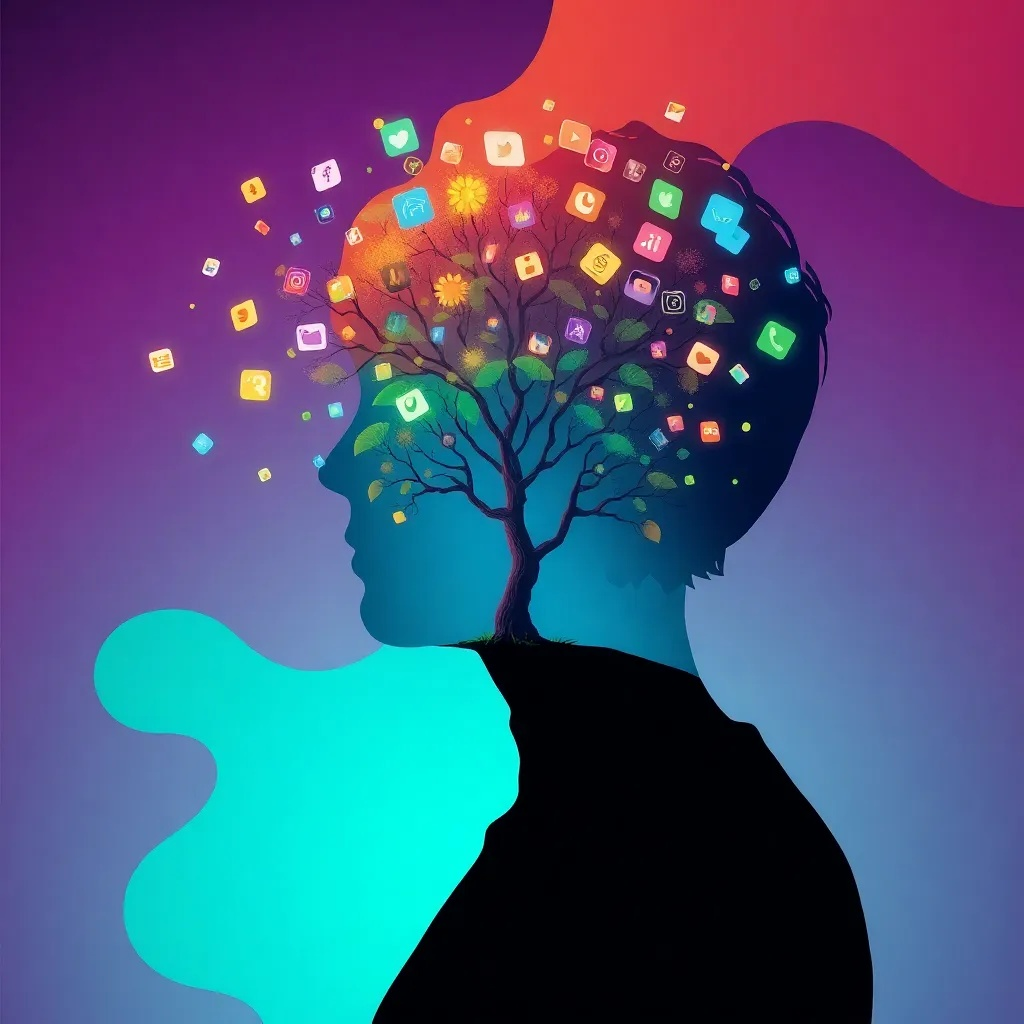
Analyzing the surge in digital stress post-pandemic and the ethical conflicts as technology companies drive mindfulness app growth while contributing to mental health issues.
Rising digital device use fuels mental health crises, sparking debates on tech ethics and booming wellness solutions.
The Science Behind Digital Stress and Mental Health
The impact of digital device usage on mental health has intensified, with recent data highlighting a post-pandemic surge in digital stress. According to the American Psychological Association’s 2023 Stress in America report, 70% of adults identify technology as a significant stressor. This aligns with a World Health Organization advisory in early September 2023, which emphasized the need for policy interventions to address screen time, particularly in youth mental health, linking excessive use to heightened anxiety and sleep disorders. A study published in JAMA Network Open in July 2023 found that limiting social media use to 30 minutes daily can reduce symptoms of anxiety and depression, providing evidence-based support for digital detox strategies.
Further scientific evidence points to the neurological effects of constant connectivity. Research indicates that overuse of digital devices can disrupt circadian rhythms and increase cortisol levels, exacerbating stress. For instance, a 2022 review in the Journal of Behavioral Addictions highlighted how notification-driven interruptions contribute to cognitive overload and reduced well-being. These findings underscore the urgency of addressing digital habits in modern life.
The Boom of Mindfulness Apps and Digital Detox Trends
The mindfulness apps market is experiencing rapid growth, projected to increase by 15% annually, driven by AI-enhanced personalization. In August 2023, Headspace launched a new AI-driven feature that customizes meditation sessions based on user stress levels, reflecting a trend toward tailored wellness solutions. Statista data from September 2023 shows that 65% of U.S. adults use at least one wellness app, up from 50% in 2022, indicating widespread adoption. Additionally, the Global Wellness Institute’s 2023 report notes a 25% increase in digital detox retreat bookings compared to 2022, as individuals seek breaks from screen-based environments.
Technology companies are integrating digital well-being features into their ecosystems, with Apple and Google leading the way through tools like screen time trackers and focus modes. These innovations aim to mitigate the negative effects of device overuse, yet they also raise questions about corporate motives. As the wellness industry expands, it intersects with broader health initiatives, such as corporate wellness programs that promote mindfulness to combat workplace stress linked to digital overload.
Ethical Implications: Tech Companies’ Dual Role in Wellness
The suggested angle of this analysis examines the ethical implications of technology companies profiting from both causing and curing digital stress. Dr. Anna Lembke, a professor of psychiatry at Stanford University, stated in a 2023 interview with The Atlantic, ‘Tech firms design addictive products that heighten anxiety, then sell solutions like mindfulness apps, creating a cycle of dependency.’ This critique is supported by business models that rely on in-app purchases for premium features, potentially perpetuating reliance on digital tools for mental relief.
For example, companies like Calm and Headspace generate revenue through subscriptions, while their parent ecosystems—such as Apple’s App Store—benefit from transaction fees. This duality sparks debates on corporate responsibility. A 2023 report from the Center for Humane Technology argued that tech giants should prioritize ethical design over profit, suggesting regulatory measures to ensure transparency in digital wellness marketing. The tension between innovation and exploitation is central to understanding the digital wellness movement’s sustainability.
Actionable strategies for reducing screen time include setting daily limits, using app blockers, and scheduling tech-free zones at home. Experts recommend integrating wellness practices, such as mindfulness meditation or outdoor activities, into daily routines to counterbalance digital exposure. For instance, the Mayo Clinic advises a gradual approach to digital detoxes, starting with small breaks to avoid withdrawal symptoms. Corporate wellness initiatives can support this by offering resources and flexible work policies that encourage offline time.
To integrate wellness practices effectively, individuals can leverage tools like the Pomodoro Technique for focused work intervals or join community-based digital detox challenges. Recommendations from the American Heart Association include combining physical exercise with reduced screen time to enhance overall mental health. By adopting evidence-based methods, users can navigate the digital landscape more mindfully, reducing stress without sacrificing connectivity.
The current digital wellness trend mirrors past cycles in the wellness industry, such as the meditation boom of the 1970s when practices like Transcendental Meditation gained popularity amid societal stress. Historical data shows that wellness trends often evolve with technological advancements; for example, the rise of fitness trackers in the 2010s paved the way for today’s AI-driven mindfulness apps. Insights from the Global Wellness Institute indicate that digital wellness may have a lasting impact due to its scalability, unlike fleeting fads such as certain supplement crazes.
Analytically, the digital detox movement reflects recurring patterns where consumer awareness drives industry responses to health crises. Similar to how biotin supplements surged in popularity for beauty benefits before plateauing, mindfulness apps might face scrutiny over efficacy and commercialization. Future trends could involve greater regulatory oversight, as seen with FDA approvals for digital health tools, ensuring that wellness innovations prioritize user well-being over profit. This context helps readers understand the evolution of digital stress solutions within a broader historical and scientific framework.