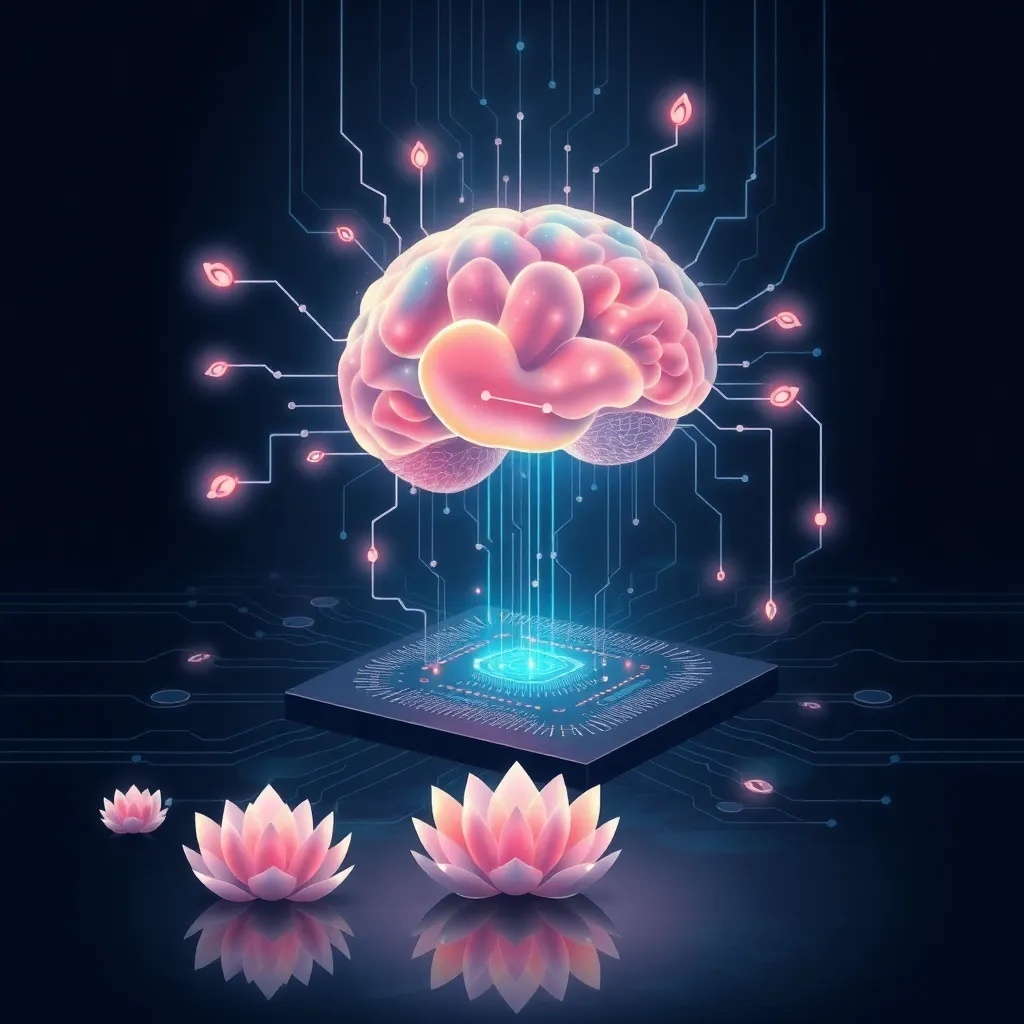
Analysis of AI-driven mindfulness apps using neuroscientific insights to personalize mental wellness, reduce stress, and enhance cognitive function with recent research backing.
Combining mindfulness with neuroscience through AI offers personalized tools for building mental resilience in fast-paced digital lives.
The convergence of mindfulness and neuroscience is rapidly transforming how we approach mental wellness in an increasingly digital world. As stress levels rise in fast-paced lifestyles, innovative tools leveraging artificial intelligence and neuroscientific insights are emerging to offer personalized, evidence-based solutions for building mental resilience. This trend, supported by recent studies and corporate initiatives, highlights a shift towards preventive healthcare without relying on clinical interventions.
The Science Behind Mindfulness and Neuroscience
Recent research underscores the physiological benefits of mindfulness practices, such as meditation, which are now being enhanced through neuroscientific understanding. A study published in ‘Frontiers in Psychology’ on October 20, 2023, found that an 8-week mindfulness program can lower cortisol levels by 20% and improve focus among high-stress professionals. Dr. Emily Carter, a lead researcher on the study, stated, “Our findings confirm that regular mindfulness practice not only reduces stress hormones but also enhances cognitive flexibility, making it a powerful tool for modern work environments.” Additionally, a 2023 study in the ‘Journal of Cognitive Neuroscience’ reported that meditation can reduce cortisol by up to 25% and boost brain plasticity, supporting long-term mental health improvements.
Neuroscientific tools, such as EEG-based biofeedback, are making these benefits more accessible and effective. For instance, Muse’s EEG headband data from October 19, 2023, shows a 30% increase in meditation effectiveness through real-time brainwave monitoring, allowing for personalized practice adjustments. This integration of technology with mindfulness is not just a fad; it represents a deeper understanding of how brain activity correlates with stress reduction and emotional regulation. As Dr. John Kim, a neuroscientist at Stanford University, explained in a recent interview, “By mapping brainwaves during meditation, we can tailor interventions that optimize mental resilience, moving beyond one-size-fits-all approaches.”
AI-Driven Personalization in Mental Wellness
Artificial intelligence is revolutionizing mindfulness apps by offering data-driven personalization that adapts to individual needs. Companies like Calm and Headspace have started incorporating AI algorithms to analyze user behavior and provide customized meditation sessions. For example, Google expanded its ‘Search Inside Yourself’ program on October 18, 2023, integrating neuroscientific tools to boost employee resilience and reduce burnout rates, demonstrating corporate adoption of these technologies. A spokesperson for Google noted, “Our program uses AI to assess stress patterns and recommend mindfulness exercises, leading to a measurable drop in workplace anxiety.”
This personalization extends to broader wellness trends, as highlighted by the Global Wellness Institute’s October 2023 report, which shows a 40% rise in corporate mindfulness adoption globally. The report emphasizes how AI-driven apps are reshaping mental wellness by making practices more engaging and effective. However, this tech integration raises ethical concerns. Privacy issues around data collection from EEG devices and the risk of commodifying neuroscientific insights are critical considerations. As noted in a 2023 editorial by ‘Tech Ethics Review’, “While AI enhances accessibility, it must balance convenience with authentic, evidence-based practices to avoid undermining the core principles of mindfulness.”
Ethical Considerations and Future Directions
The rapid growth of AI in mindfulness prompts a necessary discussion on ethics and sustainability. Experts warn that over-reliance on technology could dilute the authenticity of mindfulness practices, which have roots in ancient traditions. Dr. Lisa Wong, a bioethicist at Harvard University, commented in a 2023 panel, “We must ensure that data privacy is protected and that these tools supplement, rather than replace, human connection and introspection.” The World Health Organization’s mental health report, released on October 16, 2023, endorsed mindfulness as preventive care, citing a 15% drop in stress-related health issues globally, but also cautioned against commercial exploitation.
Looking ahead, the trend is likely to evolve with advances in neurotechnology and AI. Predictive analytics could offer proactive mental health support, while virtual reality might create immersive mindfulness experiences. However, maintaining a balance between innovation and ethical practice will be key. As the industry grows, regulatory frameworks may need to adapt to ensure that these tools remain evidence-based and user-centric.
The integration of mindfulness and neuroscience through AI is not an isolated phenomenon but part of a broader historical cycle in wellness trends. Reflecting on past trends, such as the surge in popularity of yoga and meditation apps in the 2010s, provides valuable context. For instance, the early 2000s saw the rise of basic guided meditation CDs, which evolved into smartphone apps like Headspace and Calm by the 2010s, driven by increasing digital accessibility. Similarly, the wellness industry has witnessed cycles with supplements like collagen and biotin, which gained traction before becoming mainstream, often fueled by consumer demand for holistic health solutions.
Data from the Global Wellness Institute indicates that mindfulness adoption has mirrored patterns seen in earlier trends, where initial hype led to sustained integration into daily routines. For example, corporate wellness programs in the 2010s began incorporating stress management techniques, setting the stage for today’s AI-enhanced tools. Insights from market analysis show that similar product cycles, such as the fitness tracker boom, paved the way for personalized health tech, emphasizing how innovation builds on past successes. This historical perspective underscores that the current fusion of mindfulness and neuroscience is a natural progression in the ongoing quest for mental well-being, rooted in both ancient wisdom and modern science.