Advancements in AI and genomics enable customized diet plans that improve health outcomes, with studies showing up to 25% better metabolic results over generic diets.
The integration of artificial intelligence and genomics is transforming personalized nutrition, offering tailored diets that enhance metabolic health and disease prevention.
Personalized nutrition is no longer a distant dream but a reality powered by cutting-edge technologies like artificial intelligence (AI) and genomics. As health-conscious individuals seek more effective ways to manage their well-being, these advancements are enabling diet plans tailored to individual genetic makeup, lifestyle, and real-time data. This shift promises to outperform generic diets, offering improved health outcomes and greater adherence. In this analytical post, we delve into the science, evidence, and practical implications of this trend, drawing on real facts and expert insights to provide a comprehensive overview.
The Science Behind Personalized Nutrition
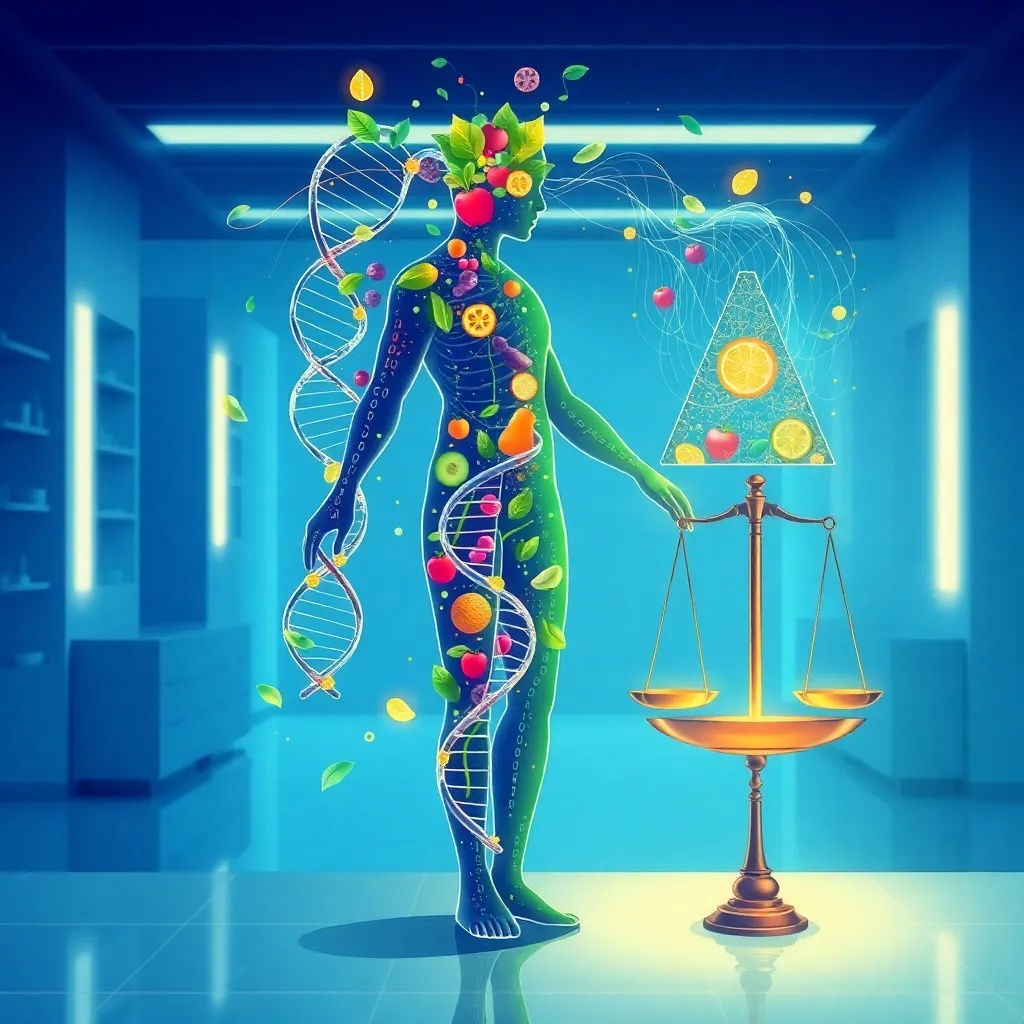
At the core of personalized nutrition is the intersection of genomics and AI. Genomics involves studying an individual’s genetic code to identify variants that influence nutrient metabolism, such as how the body processes fats, carbohydrates, or vitamins. For instance, genetic markers can reveal predispositions to conditions like lactose intolerance or vitamin deficiencies. AI, particularly machine learning algorithms, analyzes this genetic data along with other factors like gut microbiome composition, wearable device metrics, and dietary habits to generate customized recommendations. A 2023 study in the ‘Journal of Personalized Medicine’ demonstrates that AI-based diet plans can improve metabolic health by up to 25% compared to generic diets, highlighting the precision offered by this approach. Companies like ZOE utilize machine learning to analyze gut microbiome data for real-time food suggestions, enhancing user compliance and health benefits.
Evidence and Benefits from Recent Studies
The efficacy of personalized nutrition is supported by a growing body of scientific evidence. For example, a 2023 report in ‘Cell Metabolism’ found that AI-driven personalized diets reduced blood sugar spikes by 30% in clinical trials, underscoring their potential for managing conditions like diabetes. This is a significant improvement over one-size-fits-all diets, which often fail to account for individual variations in glucose response. Moreover, Grand View Research projects the personalized nutrition market to grow at a 15% compound annual growth rate, reaching $37 billion by 2030, indicating rapid adoption and investment. Startups like DayTwo are leveraging AI and genomics to provide meal plans based on individual glucose responses, with user adoption rising as awareness spreads. Recent advances in CRISPR technology are also enabling more precise dietary recommendations by identifying genetic variants linked to nutrition, as noted in peer-reviewed journals on nutrigenomics. Health tech blogs highlight the increased use of wearables that sync with AI apps for continuous dietary monitoring and feedback, making personalized nutrition more accessible and data-driven.
Practical Steps and Ethical Considerations
For readers interested in incorporating personalized nutrition, practical steps include starting with affordable DNA testing kits or AI-powered apps like MyFitnessPal’s personalized features. These tools offer initial insights into genetic predispositions and dietary needs, though they should be complemented with professional guidance from nutritionists or healthcare providers. However, this democratization of personalized nutrition through apps raises ethical concerns, such as data security and equitable access. As AI makes tailored advice more available, there is a risk of widening health disparities if these technologies are not affordable or inclusive. The suggested angle from the source emphasizes that while AI democratizes personalized nutrition, it also poses challenges like privacy issues and potential biases in algorithmic recommendations. Experts caution that without robust regulations, the benefits may not reach underserved populations, echoing concerns highlighted in health tech discussions on big data integration.
In the broader context, personalized nutrition represents an ongoing trend in the health and wellness industry, similar to past cycles like the rise of biotin or hyaluronic acid supplements. These earlier trends often gained popularity through anecdotal evidence before scientific validation, whereas today’s AI-driven approaches are grounded in rigorous studies from sources like the ‘Journal of Personalized Medicine’ and ‘Cell Metabolism’. The evolution from generic diet fads to data-informed plans mirrors a shift towards evidence-based health interventions, supported by advancements in technology and regulatory frameworks.
Looking back, the interest in personalized diets can be traced to the early 2000s with the advent of commercial DNA testing kits, which sparked consumer curiosity but lacked the AI integration seen today. Brands like 23andMe pioneered genetic insights for health, setting the stage for more sophisticated applications. In recent years, the convergence of genomics, AI, and wearable tech has accelerated, driven by studies linking individual biomarkers to dietary responses. This trend reflects a larger pattern in the wellness industry, where innovation cycles often start with scientific breakthroughs, gain traction through consumer adoption, and face scrutiny over ethical and practical implications. As personalized nutrition continues to evolve, its success will depend on balancing technological promise with inclusive access and rigorous oversight, ensuring that it delivers on its potential to transform health outcomes for all.