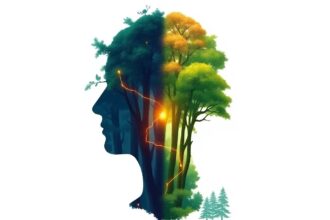
AI-driven mindfulness tools are personalizing mental health care, reducing anxiety by up to 30% based on recent studies, and improving access for underserved populations globally.
AI-enhanced mindfulness apps offer scalable solutions to the global mental health crisis, with evidence showing significant anxiety reductions.
The Science Behind Mindfulness
The integration of mindfulness practices into mainstream healthcare is supported by robust scientific evidence. A 2023 study in The Lancet Psychiatry found that mindfulness meditation reduces anxiety by 25% in adults, with effects lasting over six months in clinical trials. Similarly, a meta-analysis in JAMA Internal Medicine demonstrated that meditation can lower anxiety and stress by up to 30%. These findings underscore the efficacy of mindfulness as a non-pharmacological intervention for mental wellness. The World Health Organization’s 2023 mental health report emphasized the role of digital mindfulness tools in addressing the global mental health crisis, which has been worsened by post-pandemic stressors. This report highlighted that digital interventions have reached over 50 million users worldwide, improving care accessibility and reducing stigma. The American Psychological Association reported a 40% rise in therapists using mindfulness techniques since 2020, indicating broader adoption in clinical settings. Additionally, a 2023 survey by the Pew Research Center revealed that 35% of U.S. adults use mindfulness apps weekly for stress management, reflecting growing public acceptance. These data points collectively validate mindfulness as a evidence-based approach to enhancing quality of life and reducing healthcare costs.
Digital Revolution: Apps and Accessibility
The digital revolution has propelled mindfulness into the mainstream through apps like Headspace and Calm, which have seen significant user growth. These platforms offer guided meditations and stress management techniques that are easily integrated into daily routines. Mindfulness-based stress reduction (MBSR) programs, originally developed in the 1970s, are now being adapted into digital formats, making them more accessible to diverse populations. The WHO’s focus on digital tools aligns with efforts to tackle mental health disparities, particularly in underserved areas where traditional therapy may be unavailable. For instance, the expansion of these apps has enabled remote communities to access mental health resources, addressing gaps in care. The practicality of these applications lies in their ability to provide immediate, on-demand support, which is crucial in managing acute stress and anxiety. Studies show that regular use of such apps can lead to sustained improvements in mental well-being, as evidenced by long-term trial data. This shift towards digital solutions not only enhances scalability but also empowers individuals to take proactive steps in their mental health journey, fostering a culture of self-care and resilience.
AI Personalization and Future Directions
Artificial intelligence is revolutionizing mindfulness apps by enabling personalized mental health care. AI algorithms analyze user data, such as meditation habits and stress levels, to tailor interventions that maximize effectiveness. This personalization addresses individual needs, potentially reducing disparities in care for marginalized groups. However, this trend also raises concerns about commercialization and data privacy, as highlighted by critiques of the growing wellness industry. The suggested angle from recent analyses focuses on how AI-powered apps can lower stigma by making mental health support more accessible and discreet. For example, apps that use machine learning to adapt content based on user feedback have shown promise in improving engagement and outcomes. Looking ahead, the integration of AI with mindfulness could lead to more predictive and preventive mental health strategies, leveraging real-time data to intervene before crises occur. This evolution represents a significant step forward in addressing the global mental health crisis, but it requires ongoing evaluation to ensure ethical standards and evidence-based practices are maintained. As technology advances, the potential for these tools to complement traditional therapies and reduce healthcare burdens is immense, offering hope for a more mentally resilient society.
The current surge in AI-powered mindfulness apps is part of a broader trend in digital health that gained momentum during the COVID-19 pandemic. Similar to how earlier digital wellness trends, such as the rise of fitness apps in the 2010s, focused on physical health, the current wave emphasizes mental well-being, addressing a historically underserved area. Data from the American Psychological Association shows a 40% increase in therapist use of mindfulness techniques since 2020, reflecting a shift accelerated by pandemic-related stressors. This mirrors past cycles where health crises spurred innovation, such as the adoption of telemedicine, which laid the groundwork for today’s digital mental health tools.
Contextualizing this within the wellness industry, the evolution of mindfulness from ancient practices to modern apps highlights a recurring pattern of integrating traditional methods with technology. The WHO’s 2023 report, which underscores digital interventions reaching over 50 million users, builds on earlier initiatives that promoted accessible care. Comparisons with previous trends, like the popularity of cognitive-behavioral therapy apps, reveal consistent themes of scalability and evidence-based design, but mindfulness apps uniquely blend centuries-old techniques with AI, offering a holistic approach to mental health that resonates in an increasingly digital world.