
INSITE technology uses ultrasound-guided delivery of hepatocytes in hydrogel microspheres to create vascularizable scaffolds, potentially reducing the need for liver transplants and addressing donor s...

A July 2024 study in ‘Nature Aging’ validates p-tau217 blood biomarkers for forecasting Alzheimer’s symptoms within 3-4 years, enhancing early intervention and personalized medicine....

New evidence supports menopausal hormone therapy for reducing mortality and enhancing healthspan, with updated guidelines emphasizing personalized approaches based on recent studies and expert insight...

DeepRare, a multi-agent AI system, achieves 10% higher accuracy than expert physicians in diagnosing rare diseases, potentially reducing diagnostic delays and transforming clinical practice with trans...

New research identifies IRF7 as a critical driver of unstable atherosclerotic plaques, offering a potential therapeutic target to reduce cardiovascular events through innovative clinical trials and te...
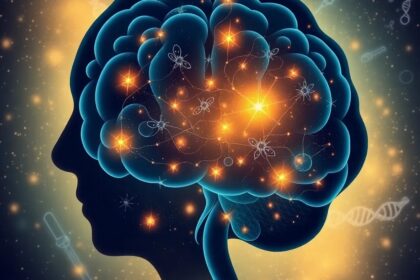
Recent studies reveal CAR-T cells with lecanemab antibodies reduce amyloid plaques in mice, highlighting a shift towards personalized cell-based therapies for Alzheimer’s treatment. New research...
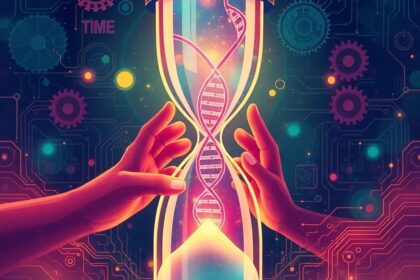
Analytical exploration of how geroscience, epigenetic reprogramming, and AI-driven therapies are converging to extend healthspan, with insights on clinical trials, societal impacts, and future trends....

Recent advancements in non-invasive devices and gender-specific studies on the glymphatic system could revolutionize stroke therapy by enhancing cerebrospinal fluid drainage. Innovative research on th...

Recent advances in mRNA technology for cancer vaccines show promise with improved stability, targeted delivery, and AI-driven antigen design, transforming immunotherapy approaches. Cutting-edge mRNA v...

Advances in longevity science highlight how individual metabolic differences shape aging, driving a shift toward AI-powered personalized interventions for enhanced healthspan. Individual metabolic var...
