

Recent research indicates that nearly half of older adults can defy age-related decline through positive beliefs and structured interventions, enhancing cognitive and physical function. New studies re...

Recent research reveals Parabacteroides goldsteinii in the gut contributes to age-related cognitive decline through vagal inflammation, offering potential reversible therapies via microbiome modulatio...
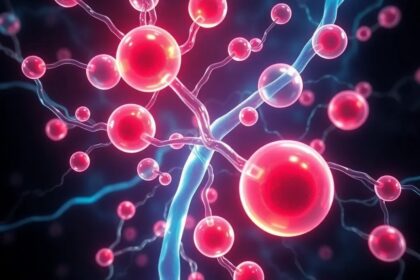
INSITE technology uses ultrasound-guided delivery of hepatocytes in hydrogel microspheres to create vascularizable scaffolds, potentially reducing the need for liver transplants and addressing donor s...

Golden spiny mice exhibit unique immune adaptations that slow aging and enhance regeneration, with recent studies offering hope for human healthspan therapies. Golden spiny mice demonstrate slowed agi...

Recent studies reveal mesenchymal stromal cells transfer healthy mitochondria via endocytosis, combating mitochondrial dysfunction in aging and diseases like osteoporosis, with fenofibrate enhancing e...

Recent geriatric research finds positive age beliefs can boost cognitive and physical function by up to 40%, with practical strategies like mindfulness and social engagement supported by new data. New...

Recent studies reveal that mild stressors like hypoxia enhance autophagy and epigenetic changes, delaying aging and informing lifestyle interventions and drug development for preventive health. Emergi...
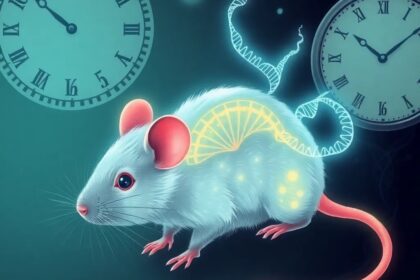
A new study reveals ANKRD1 gene therapy improves memory in aged mice by enhancing neurogenesis, signaling potential for anti-aging treatments targeting brain health. ANKRD1 gene therapy boosts memory ...

Stanford’s March 2024 study shows electric field bioprinting improves muscle fiber alignment by 40%, advancing regenerative medicine for injuries and aging, with potential clinical applications ...

Recent studies reveal complement system biomarkers, such as C3 and C4, change with age and correlate with dementia, offering potential for early Alzheimer’s detection and insights into immune sy...
