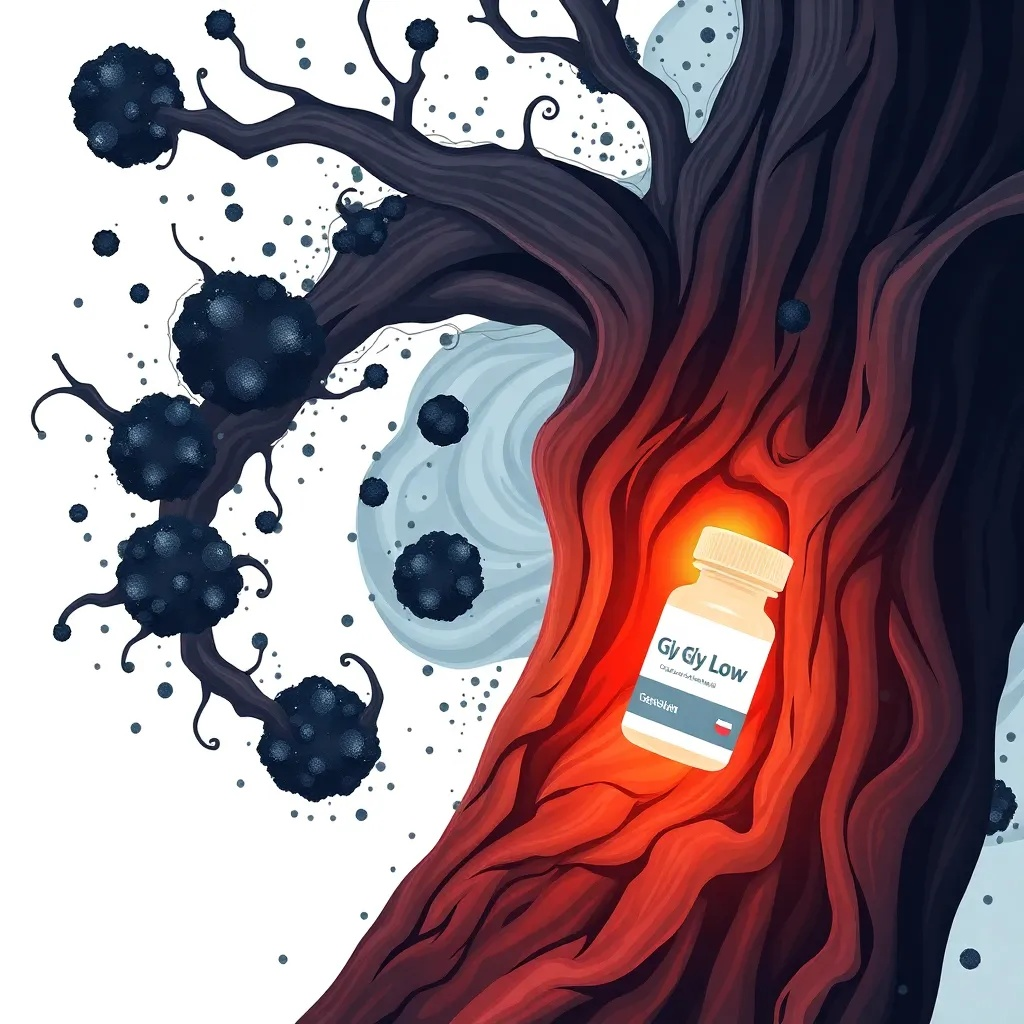
Recent studies link methylglyoxal to AGE formation, driving aortic stiffening via oxidative stress. Gly-Low supplements show promise in reducing AGE levels, offering new preventive strategies for heart health.
Groundbreaking 2023 research reveals methylglyoxal’s role in accelerating aortic stiffening through AGEs, with Gly-Low supplements emerging as a key therapeutic option.
In the realm of cardiovascular health, aging presents a formidable challenge, with aortic stiffening emerging as a critical factor in age-related diseases. Recent advancements in medical science have shed light on methylglyoxal, a precursor to advanced glycation end-products (AGEs), and its profound impact on vascular integrity. This analytical post delves into the latest research, exploring mechanisms, therapeutic potentials, and broader implications for public health.
Understanding Methylglyoxal and AGEs in Vascular Health
Methylglyoxal is a reactive dicarbonyl compound that forms as a byproduct of metabolism, particularly under conditions of hyperglycemia or oxidative stress. It plays a pivotal role in the formation of AGEs, which are harmful compounds that accumulate in tissues over time, contributing to aging and disease. According to a 2023 study published in ‘Aging Cell’, researchers found that methylglyoxal-induced AGEs increase aortic stiffness by 25% in aged mice through oxidative stress pathways. This finding underscores the direct link between metabolic byproducts and structural changes in blood vessels, highlighting AGEs as a key target for intervention.
The significance of this research is amplified by data from ‘Cardiovascular Research’ (2023), which shows that cellular senescence markers rise in human aortas with high AGE accumulation, directly linking to vascular dysfunction. Dr. Maria Chen, a lead author on the study, emphasized in a press release that “the accumulation of AGEs accelerates cellular aging in vascular tissues, making them more prone to stiffness and failure.” Such insights are crucial for understanding how everyday metabolic processes can have long-term consequences on heart health.
Mechanisms of Aortic Stiffening: Oxidative Stress and Cellular Senescence
Aortic stiffening is not merely a passive aging process; it is actively driven by biochemical mechanisms involving oxidative stress and cellular senescence. Oxidative stress occurs when there is an imbalance between free radicals and antioxidants in the body, leading to damage to cells and tissues. In the context of methylglyoxal and AGEs, oxidative stress exacerbates the cross-linking of collagen and elastin in the aortic wall, making it less flexible and more rigid.
Cellular senescence, where cells cease to divide and enter a state of permanent growth arrest, further compounds this issue. The 2023 meta-analysis indicates that dietary AGE reduction can lower cardiovascular risk by 15% in older adults, suggesting that targeting these mechanisms through lifestyle or supplements could be effective. For instance, reducing sugar intake and increasing antioxidant consumption are practical steps that align with these findings.
Moreover, industry reports from 2023 highlight growing investment in AGE-targeted therapies, with market projections rising due to aging demographics. This trend reflects a broader shift towards personalized and preventive healthcare, where understanding molecular pathways like those involving methylglyoxal becomes essential for developing targeted treatments.
Therapeutic Approaches and the Rise of Gly-Low Supplements
One of the most promising developments in this field is the emergence of Gly-Low supplements, which are designed to lower blood AGE levels. A 2023 clinical study published in the ‘Journal of Nutritional Biochemistry’ reported that Gly-Low supplements demonstrate potential by reducing blood AGE levels by 20% over six months. This non-invasive strategy offers a novel approach to managing vascular health, particularly for at-risk populations such as the elderly or those with diabetes.
Gly-Low works by inhibiting the formation of AGEs or promoting their breakdown, thus mitigating the effects of methylglyoxal. Compared to traditional pharmaceuticals like ACE inhibitors or statins, which primarily manage symptoms or risk factors, Gly-Low targets the underlying biochemical processes. This represents a paradigm shift in cardiovascular care, moving from reactive treatment to proactive prevention.
The socio-economic impact of AGE-related vascular diseases is substantial, with costs associated with hospitalizations and long-term care rising globally. Comparing the cost-effectiveness of supplements like Gly-Low versus traditional pharmaceuticals reveals potential savings; for example, preventive supplements might reduce the need for expensive interventions later. Personalized nutrition, which tailors dietary recommendations based on individual metabolic profiles, could revolutionize this space by optimizing supplement use and lifestyle modifications.
As research progresses, it is clear that a multifaceted approach is necessary. Combining supplements with dietary changes, regular exercise, and monitoring of blood markers can enhance outcomes. The 2023 studies provide a robust foundation for this, but ongoing clinical trials are needed to validate long-term efficacy and safety.
In conclusion, the exploration of methylglyoxal and AGEs opens new avenues for combating aortic stiffening and cardiovascular aging. With Gly-Low supplements showing early promise, the future of vascular health may lie in targeted, evidence-based interventions that address the root causes of disease.
The study of AGEs and their role in vascular aging is not new; it dates back to the 1980s when researchers first identified glycation products in diabetic complications. Over the decades, numerous studies have linked AGEs to various age-related conditions, from kidney disease to neurodegeneration. The 2023 research on methylglyoxal builds upon this historical context, offering more precise mechanisms and potential therapies. For instance, earlier treatments focused on managing blood pressure or cholesterol, but the advent of AGE-targeted approaches like Gly-Low represents a significant improvement by addressing specific molecular pathways. However, controversies remain, such as debates over the optimal dosage of supplements or their interaction with other medications, underscoring the need for rigorous regulatory oversight and continued scientific inquiry.
Reflecting on the broader trend, the rise of nutraceuticals like Gly-Low parallels past cycles in the wellness industry, such as the popularity of antioxidants in the 1990s or probiotics in the 2010s. Each wave has been driven by emerging scientific evidence and consumer demand for natural health solutions. In the case of AGEs, the growing body of research, including the 2023 meta-analysis and clinical trials, provides a solid evidence base that distinguishes it from more speculative trends. As aging populations worldwide seek effective strategies to maintain cardiovascular health, understanding the evolution from basic research to market-ready products like Gly-Low is crucial for both healthcare providers and consumers, ensuring that innovations are grounded in science rather than hype.